
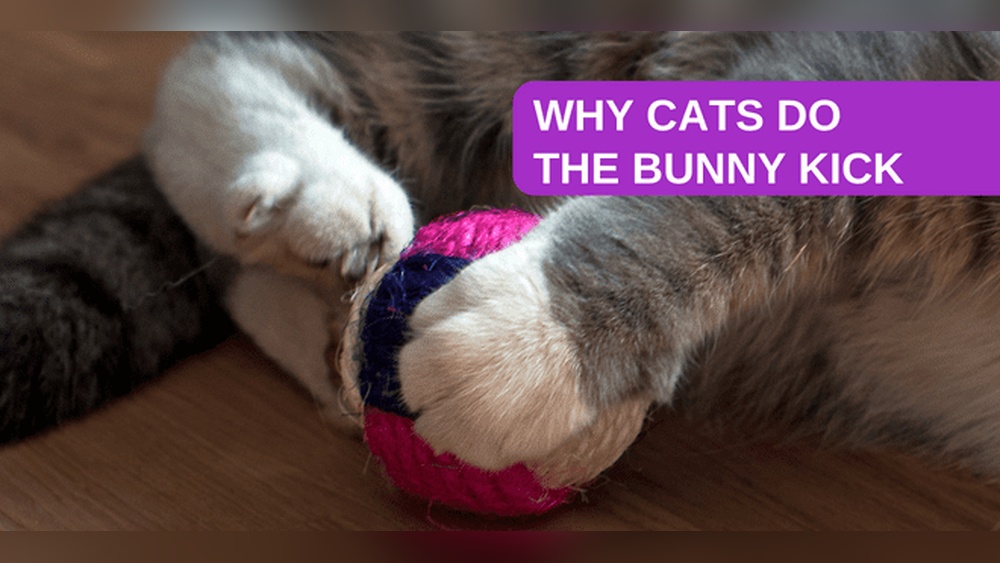
Have you ever watched your cat suddenly start kicking her toys with surprising energy? It might seem odd or even a little funny, but this behavior actually reveals a lot about your furry friend.
Understanding why your cat kicks her toys can help you connect better with her instincts and needs. Keep reading to discover the surprising reasons behind this quirky habit—and how it shows your cat’s playful and hunting nature. You’ll soon see your pet in a whole new light.
Cat Kicking Behavior
Cats often show a unique way of playing called kicking. This action looks like they are using their back legs to push or kick toys. It might seem strange, but this behavior is normal. Many cats do it during playtime or hunting games. Understanding why cats kick toys helps to know your pet better. It also shows how natural and fun their play can be.
Common Play Patterns
Cats use their paws and legs in different ways while playing. Kicking is one common pattern. They hold a toy with their front paws and kick with back legs. This makes the toy move or spin. Cats enjoy this action because it feels like hunting small prey. This pattern helps cats stay active and sharp. It also builds their muscle strength and coordination.
Instinctual Origins
Cat kicking comes from their wild ancestors. In the wild, cats catch prey by grabbing and holding it. They use back legs to kick and hold the prey tightly. This stops the prey from escaping. Domestic cats keep this instinct even if they do not hunt for food. Kicking toys mimics this natural hunting skill. It is a way for cats to practice and feel confident.

Credit: www.amazon.com
Hunting Instincts In Play
Cats have strong hunting instincts that shape their play. Kicking toys is a way to practice hunting skills. This behavior helps them feel natural and satisfied. It also keeps their mind sharp and body active.
Simulating Prey Capture
Kicking toys mimics how cats catch prey. They use their back legs to hold and kick small animals. This action helps control and weaken the prey. Toys act like prey, making the cat feel like a hunter. This play sharpens their reflexes and coordination.
Energy Release And Exercise
Hunting play burns off extra energy. Cats need exercise to stay healthy and happy. Kicking toys lets them move and stretch their muscles. It also reduces boredom and stress. This natural activity keeps cats fit and calm in the house.
Emotional Benefits
Cats kicking their toys is more than just play. This action has emotional benefits that help cats feel good. It helps them manage feelings and connect with their environment. Understanding these benefits can improve how you interact with your cat.
Stress Relief
Kicking toys helps cats release stress and anxiety. It gives them a safe way to express energy and frustration. This activity calms their mind and body. It works like a natural mood booster for cats. Regular play keeps your cat happier and less nervous.
Bonding Through Play
Playing with your cat during toy kicking builds a strong bond. It creates trust and shows your cat you care. This shared fun time improves your relationship. Cats feel loved and safe when you join their play. It helps your cat feel connected and less lonely.
Types Of Toys Cats Prefer
Cats have unique tastes in toys. Some toys excite their hunting skills. Others give comfort or fun alone. Knowing their preferences helps keep cats active and happy. Different toys serve different play styles. This helps explain why cats kick their toys. They are practicing their natural instincts in play.
Interactive Toys
Interactive toys need you to play with your cat. These toys include feather wands and laser pointers. Cats enjoy chasing moving objects. It mimics hunting, which is fun and healthy. Playing together builds a stronger bond. Interactive play also helps cats use their energy.
Solo Play Items
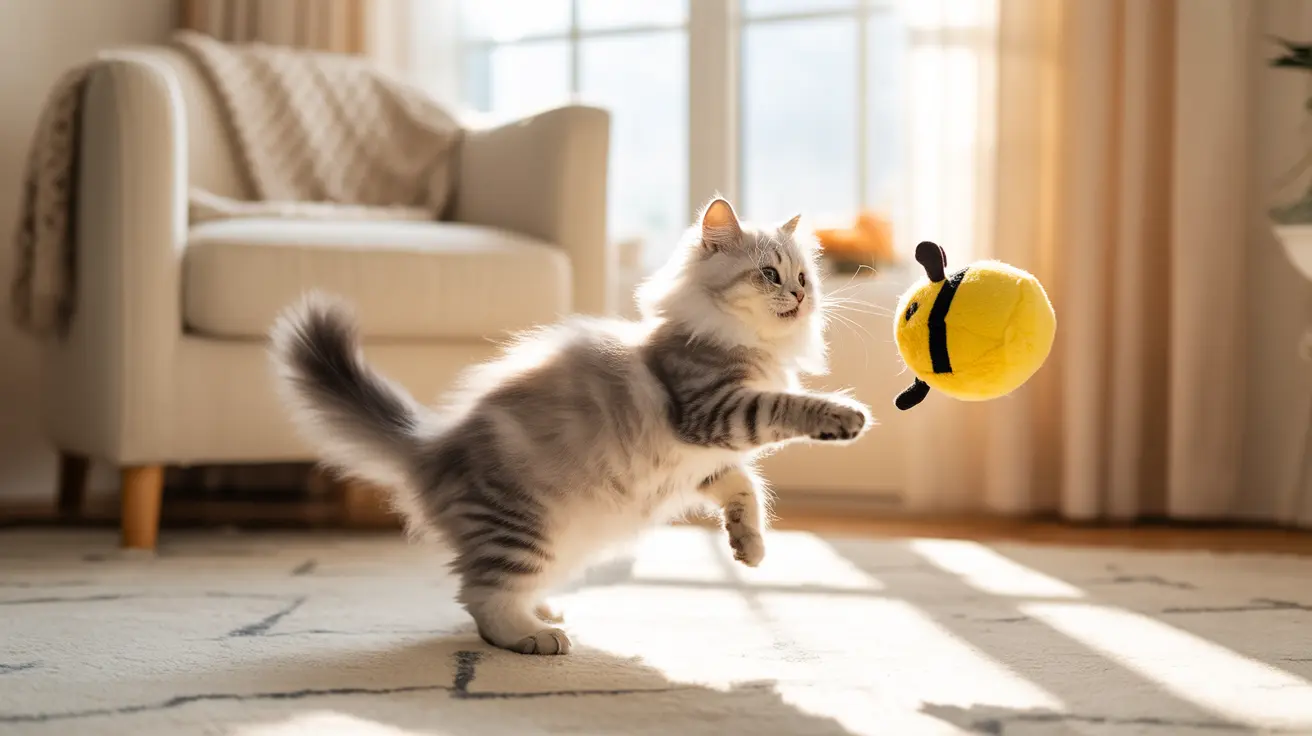
Solo play items keep cats busy when alone. Small balls, stuffed mice, and crinkly toys are popular. Cats can bat and kick these toys by themselves. These toys satisfy their urge to hunt. Solo toys are good for mental and physical exercise. Cats often carry or hide these toys too.
Encouraging Healthy Play
Encouraging healthy play helps cats stay active and happy. It also supports their natural hunting skills. Playtime is a great way to bond with your cat and reduce stress. Understanding how to encourage safe and fun play is important for every cat owner.
Healthy play keeps your cat’s mind sharp and body strong. It prevents boredom and unwanted behaviors. Providing the right toys and play environment makes a big difference. Let’s explore how to choose safe toys and use effective playtime tips.
Safe Toy Choices
Choose toys made from non-toxic materials. Avoid small parts that cats can swallow. Soft, lightweight toys work well for kicking and batting. Look for toys that mimic prey, like mice or birds. Replace worn or broken toys to prevent injury. Rotate toys often to keep your cat interested.
Playtime Tips
Set aside daily play sessions to keep your cat engaged. Use toys that encourage chasing and kicking. Move toys in quick, unpredictable ways to mimic prey. Let your cat catch and kick the toy sometimes. Keep play sessions short but frequent. Always supervise to ensure safe play. End playtime calmly to avoid overstimulation.

Credit: www.amazon.com
When To Be Concerned
Watching your cat kick her toys is usually fun and normal. It shows she is playful and active. But sometimes, this behavior can signal a problem. Knowing when to be concerned helps you keep your cat healthy and happy.
Signs Of Overstimulation
Your cat may kick toys too hard or too often. She might bite or scratch suddenly during play. Tail flicking or ears flattening are common signs. These show she feels overwhelmed or stressed. Overstimulation can lead to aggressive behavior. Stop playtime if you notice these signs.
Behavioral Changes
Changes in how your cat kicks toys can mean something is wrong. She might stop playing or become very rough. Watch for hiding, loss of appetite, or sleep changes. These behaviors might signal illness or pain. Consult a vet if your cat acts differently for days.
Credit: www.petscare.com
Frequently Asked Questions
Why Does My Cat Kick Her Toys Aggressively?
Cats kick toys to mimic hunting behavior. Kicking helps them practice capturing and subduing prey. It also releases energy and satisfies natural instincts.
Is Toy Kicking A Sign Of Cat Playfulness?
Yes, kicking toys shows your cat is playful and engaged. It’s a healthy way to exercise and stimulate their mind.
Can Kicking Toys Help Reduce My Cat’s Stress?
Kicking toys can relieve stress by providing physical activity. It distracts cats from anxiety and boosts their mood through play.
Does My Cat Kick Toys To Communicate?
Sometimes, kicking toys signals excitement or frustration. It’s a way for cats to express emotions nonverbally.
Conclusion
Cats kick their toys to practice hunting and stay active. This behavior helps them feel happy and safe. Watching your cat kick shows they enjoy playtime and feel confident. Giving your cat toys to kick can reduce boredom and stress.
Remember, this natural action keeps your cat healthy and entertained. Keep providing fun toys and enjoy these cute moments together. Understanding why cats kick toys helps you care for them better.