
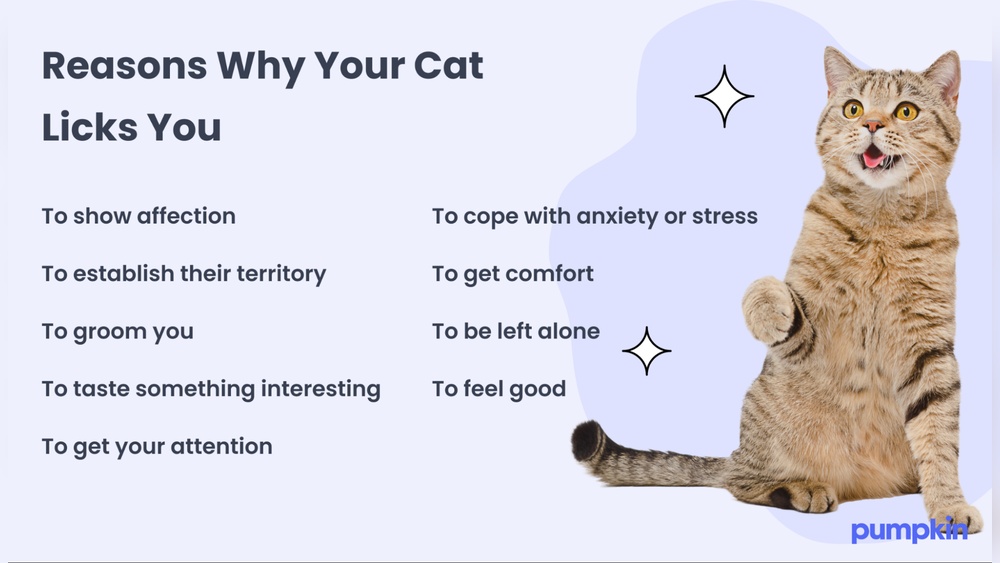
Have you ever wondered why your cat licks you while grooming? It might seem like a simple, sweet gesture, but there’s actually more behind those gentle licks than you might think.
When your furry friend starts grooming you, it’s not just about cleaning—it’s a powerful way they show love, trust, and connection. If you’ve been curious about what those licks really mean and why your cat chooses you as their special grooming buddy, keep reading.
Understanding this behavior can deepen the bond between you and your cat in ways you never expected.
Credit: www.comfortzone.com
Cat Grooming Behavior
Cats often lick themselves and others as part of their daily routine. Grooming is more than cleaning. It shows care and comfort. When your cat licks you, it shares a special bond. Understanding why cats groom helps you connect with them better.
Grooming is natural and important for cats. It keeps their fur clean and skin healthy. It also helps cats relax and feel safe. Let’s explore why cats groom themselves and others.
Natural Grooming Instincts
Cats have a strong instinct to groom. They use their tongue to remove dirt and loose fur. Grooming controls body temperature too. It stops their fur from matting. This habit starts when they are kittens. Mother cats lick their babies to clean and comfort them.
Self-grooming helps cats stay healthy. It reduces stress and keeps their coat shiny. Licking also spreads natural oils on their fur. These oils protect the skin and fur from damage.
Social Grooming Among Cats
Social grooming is common among cats living together. Cats lick each other to build trust and friendship. This behavior is called allogrooming. It helps cats bond and feel safe in their group.
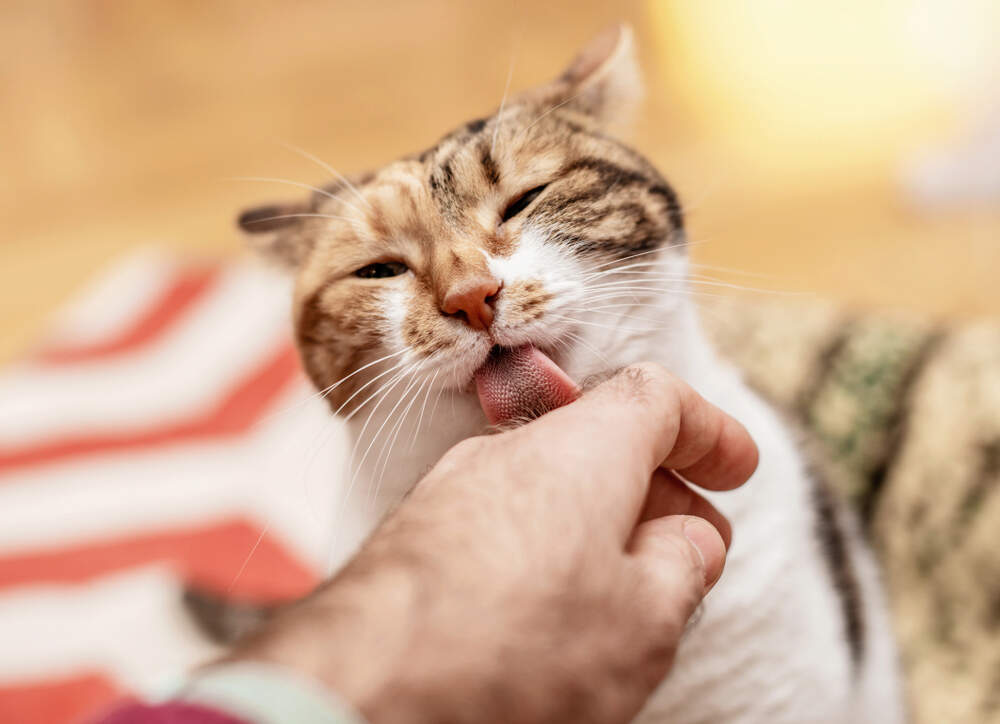
When your cat licks you, it treats you like part of its family. Licking shows affection and acceptance. It can also calm your cat or ask for attention. Social grooming strengthens the connection between you and your cat.

Credit: michupet.com
Meaning Behind Licking Humans
Cats use licking to communicate with humans and other cats. This behavior has many meanings beyond cleaning. When your cat licks you, it shares feelings and messages. Understanding why cats lick helps build a stronger bond with them.
Sign Of Affection
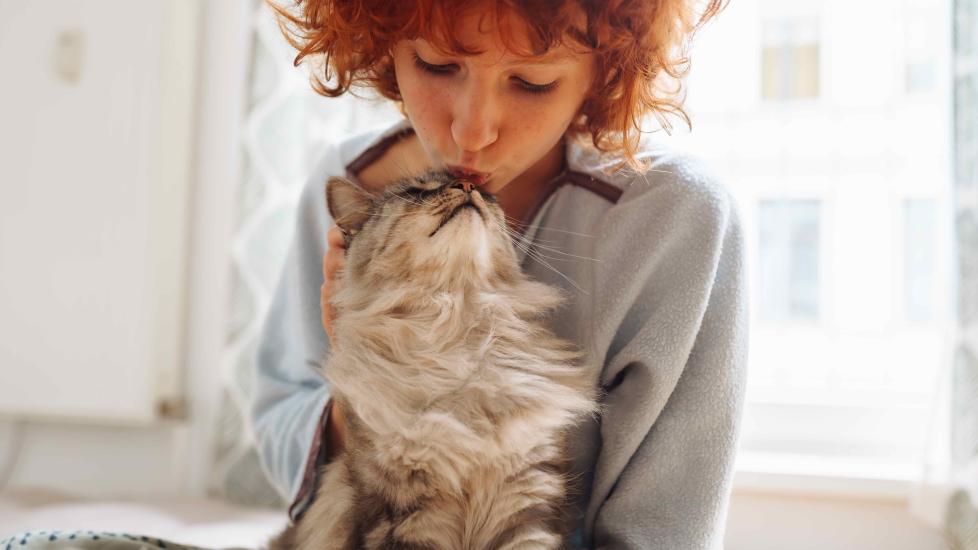
Licking shows love and trust. Cats groom each other to show care. When your cat licks you, it treats you like family. This action means your cat feels safe and happy around you. It is a gentle way to say “I love you.”
Marking Territory
Cats have scent glands in their mouths. Licking spreads their unique smell on you. This tells other animals you belong to them. By marking you, your cat feels more secure. It is a way to claim you as part of their space.
Seeking Attention
Sometimes, licking is a way to get your focus. Your cat might want petting or playtime. It uses licking to say, “Look at me.” This behavior helps your cat connect and interact. Responding to licking can make your cat feel happy and loved.
Health And Comfort Signals
Cats lick their owners for many reasons. One important reason is to show health and comfort signals. Licking can help cats feel calm and safe around you. It also helps them check if you are okay. This behavior shows trust and care between you and your cat.
Stress Relief And Calming
Licking helps cats reduce stress. The act of licking releases feel-good chemicals in their brain. This calms them down when they feel anxious or scared. When your cat licks you, it means they feel peaceful and secure. It is a way for them to relax and bond with you.
Checking For Injuries Or Changes
Cats use licking to check your skin. They can sense if something is wrong, like a cut or sore spot. Licking helps them notice changes in your body. This behavior is similar to how cats groom each other. It shows they care about your health and want to keep you safe.
When Licking Becomes Excessive
Cats often lick their owners as a sign of affection and grooming. This behavior usually feels comforting and bonding. Sometimes, though, licking can become more than just a gentle gesture. Excessive licking may signal that something is wrong or that your cat is trying to communicate a deeper need.
When licking becomes frequent or intense, it might cause discomfort or concern. Understanding why your cat licks too much helps you respond properly. Careful observation and timely action can improve your cat’s well-being.
Possible Medical Issues
Excessive licking might point to health problems. Skin allergies often cause itchiness that leads to licking. Parasites like fleas or mites can irritate your cat’s skin. Pain from injuries or infections might also trigger licking behavior. Sometimes, licking helps soothe anxiety or physical discomfort. If your cat suddenly licks more than usual, a vet visit is wise. Early treatment prevents worsening of medical issues.
Behavioral Causes
Cats lick excessively for emotional reasons too. Stress or boredom can make cats lick more. Licking becomes a way to self-soothe or release tension. Changes in the environment, like new pets or moves, can trigger this behavior. Some cats develop compulsive licking habits, similar to humans biting nails. Providing toys, attention, and a calm space reduces stress-driven licking. Recognizing these signs helps you support your cat’s emotional health.
How To Respond To Your Cat’s Licking
Knowing how to respond to your cat’s licking helps build a stronger bond. Cats lick for many reasons, like grooming or showing love. Your reaction shapes their behavior and comfort level. Let’s explore ways to respond that respect your cat and your space.
Encouraging Positive Behavior
Show your cat you like gentle licking by staying calm. Softly pet them to reinforce the good feeling. Praise your cat with a quiet voice to make them feel safe. Offer treats after licking to connect the action with rewards. This helps your cat know licking is a nice way to show affection.
Setting Boundaries
Some cats lick too much or in ways you don’t like. Gently move your hand away if licking feels uncomfortable. Use a firm but kind voice to say “no” or “stop.” Offer a toy or distraction to change their focus. Consistent limits teach your cat what is okay. This keeps licking pleasant for both of you.
Credit: www.petmd.com
Frequently Asked Questions
Why Does My Cat Lick Me During Grooming?
Cats lick you to show affection and bond with you. Grooming is their way to express trust and care. It also helps them mark you with their scent, making you part of their safe territory.
Is Cat Licking A Sign Of Love?
Yes, cat licking is a strong sign of love and attachment. Cats groom those they trust and feel close to. It’s their way of strengthening social bonds and showing they consider you family.
Can Cat Licking Indicate Stress Or Anxiety?
Sometimes, cats lick to self-soothe when anxious or stressed. If licking is excessive, it might signal discomfort. Observe your cat’s behavior to rule out stress or health issues.
How Often Should A Cat Lick During Grooming?
Cats usually lick during grooming multiple times a day. Frequency varies by cat’s personality and mood. Normal licking helps maintain cleanliness and social connection with you.
Conclusion
Your cat’s licking shows love and trust in a simple way. Cats groom to bond and feel close to you. This behavior means your cat feels safe and happy. Enjoy these moments—they strengthen your special connection. Remember, a gentle lick is your cat’s way to say, “I care.
” Understanding this helps you appreciate your cat’s unique language. Keep observing and loving your furry friend every day.