
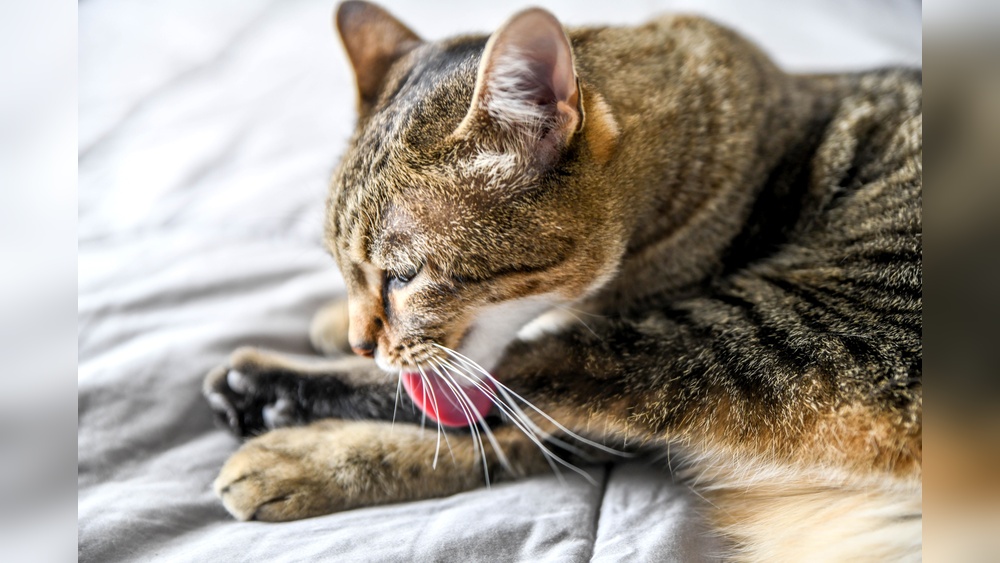
Have you noticed your cat licking itself so much that patches of fur are disappearing? It can be worrying to see your furry friend over grooming and ending up with bald spots.
You might be asking, “Why does my cat over groom alopecia? ” Understanding the reasons behind this behavior is key to helping your cat feel better and keeping its coat healthy. You’ll discover what causes over grooming alopecia, how to spot it early, and what you can do to protect your cat’s well-being.
Keep reading to learn how to bring comfort back to your beloved pet.
Credit: www.walkervillevet.com.au
Causes Of Cat Over Grooming
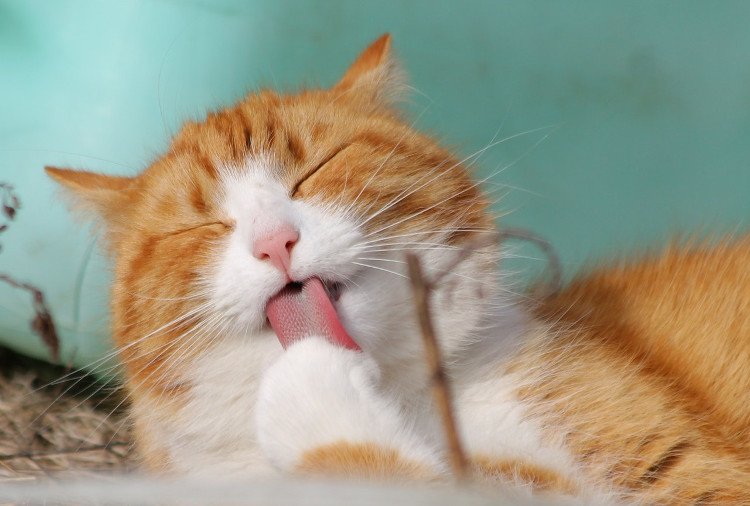
Cats often groom to stay clean and healthy. But some cats groom too much. This can cause hair loss, known as alopecia. Understanding why cats over groom helps find the right solution. Various causes can lead to this behavior. Each one affects your cat’s skin and mood differently.
Here are common causes of cat over grooming.
Stress And Anxiety Triggers
Stress can make cats groom excessively. Changes in the home, loud noises, or new pets cause anxiety. Grooming acts as a way to calm down. This behavior may become a habit if stress lasts long. Watch for signs like hiding or aggression along with grooming.
Allergies And Skin Irritations
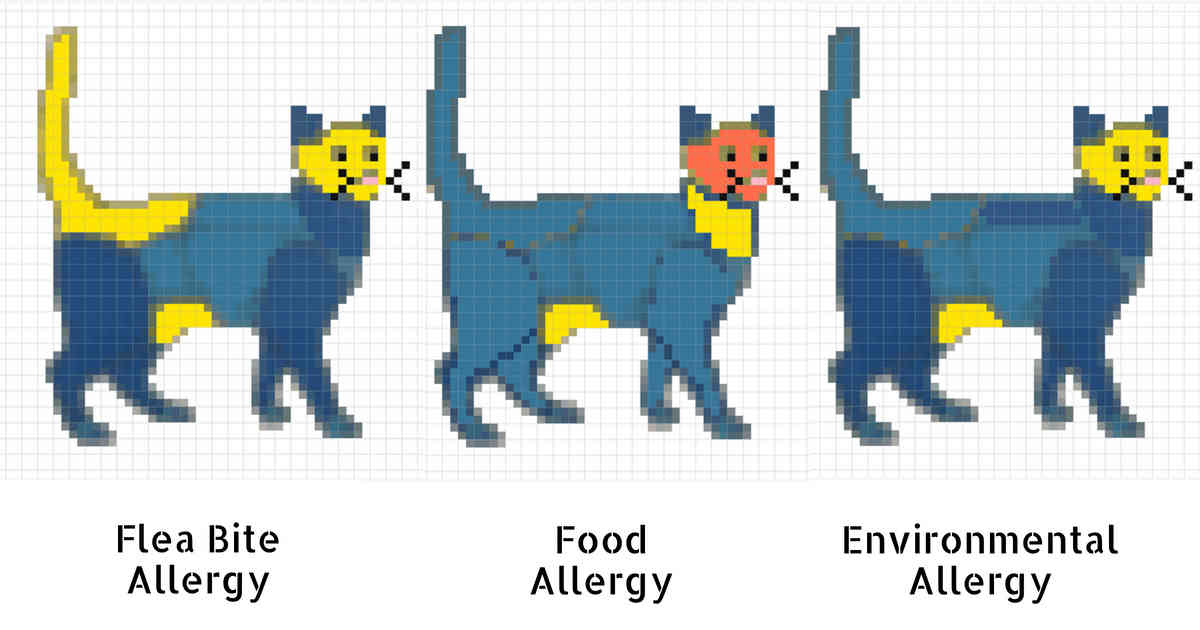
Allergies cause itching and discomfort. Cats scratch and lick to soothe itchy spots. Food allergies or reactions to cleaning products can trigger this. Environmental allergies from pollen or dust also irritate the skin. Persistent itching leads to hair loss and sores.
Parasites And Infections
Fleas, mites, and ticks cause intense itching. Cats bite and lick to relieve the irritation. Skin infections can result from parasite bites. Bacterial or fungal infections also cause discomfort. Treating parasites and infections stops the over grooming cycle.
Pain And Discomfort
Pain from injury or arthritis makes cats lick certain areas. Grooming focuses on the painful spot to ease discomfort. Internal problems like bladder issues may also cause grooming. Identifying pain sources is key to reducing over grooming.
Behavioral Factors
Some cats over groom out of boredom. Lack of toys or stimulation leads to this habit. Cats left alone for long periods may groom to pass time. Repetitive grooming becomes a way to self-soothe. Providing mental and physical activities helps prevent this behavior.
Credit: www.vetdermclinic.com
Signs Of Alopecia In Cats
Recognizing the signs of alopecia in cats helps catch problems early. Alopecia means hair loss, often caused by over grooming. Spotting the signs early lets you help your cat quickly. Watch your cat’s skin and fur closely for changes. Understanding symptoms helps you know when to act.
Common Symptoms
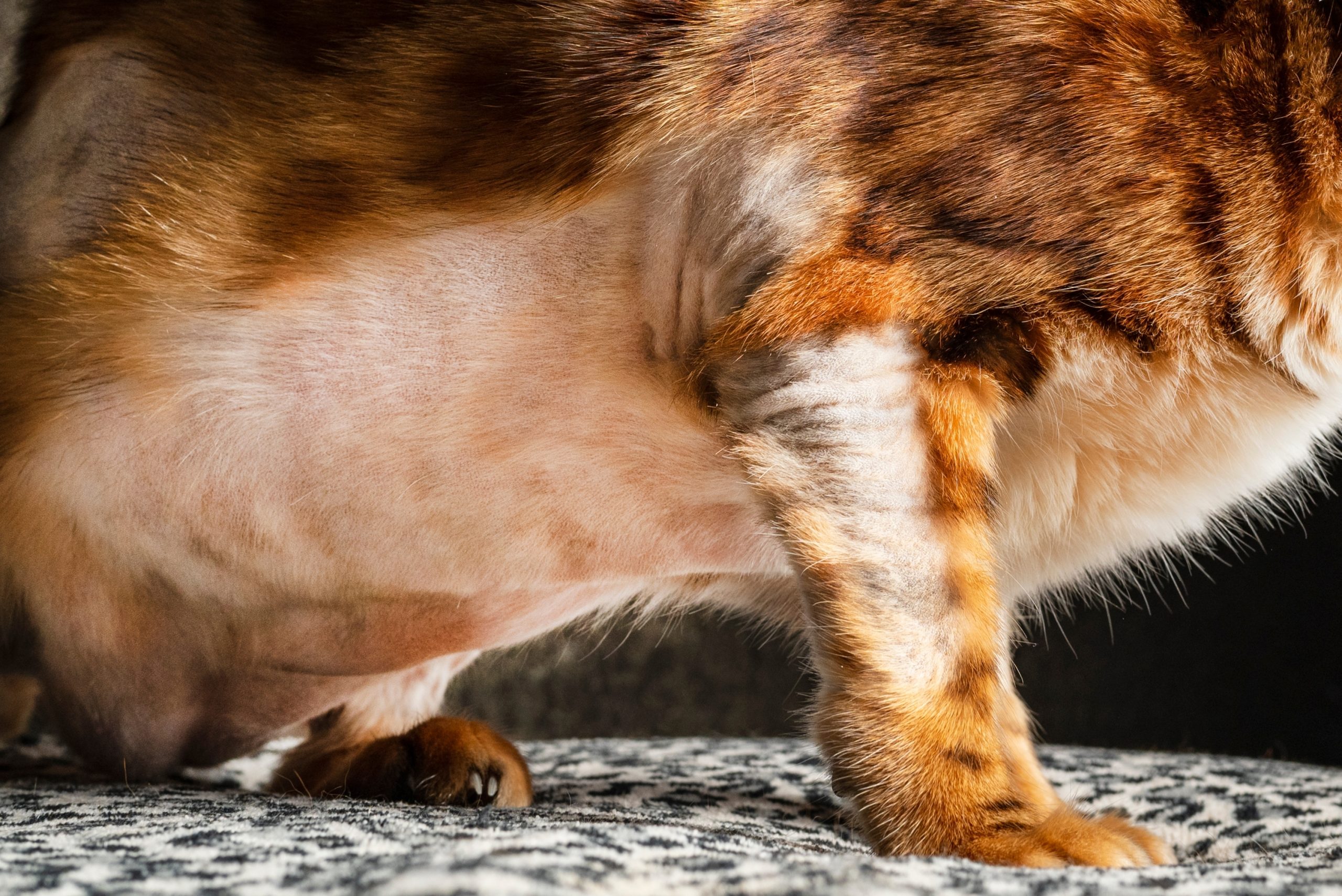
Hair loss is the most visible sign of alopecia. Cats may have bald patches or thinning fur. Skin might look red or irritated. Sometimes, the skin appears shiny or scaly. Cats often lick or bite the same area repeatedly. You might see small wounds or scabs from scratching. Behavior changes like restlessness or anxiety can also show.
Areas Most Affected
Alopecia commonly appears on the belly, sides, and legs. Cats often groom these spots more than others. The neck and chest can also lose fur. Some cats show hair loss near the tail base. Pay special attention to spots your cat licks a lot. These areas are prone to irritation and damage.
When To See A Vet
Visit a vet if hair loss lasts more than a week. Seek help if your cat’s skin looks raw or infected. Sudden or large bald patches need quick attention. If your cat scratches or bites often, get a check-up. Changes in behavior or appetite can also signal trouble. Early vet visits help find the cause and start treatment fast.
Diagnosing Over Grooming And Alopecia
Diagnosing over grooming and alopecia in cats requires careful steps. These steps help find the root cause of hair loss and skin damage. Early diagnosis is important to start the right treatment and ease your cat’s discomfort.
Veterinary Examination
A vet will first check your cat’s skin and fur. They look for signs of redness, wounds, or parasites. The vet also asks about your cat’s behavior and environment. This helps understand any stress or allergies that may cause over grooming.
Skin Tests And Biopsies
Skin tests can find infections or parasites causing irritation. Sometimes, a small skin sample is taken for biopsy. This helps identify diseases like fungal infections or immune problems. These tests give clear answers about the cause of hair loss.
Behavioral Assessments
Over grooming may be linked to stress or anxiety. Observing your cat’s behavior helps spot triggers. The vet may ask about changes at home or conflicts with other pets. Understanding behavior guides treatment to reduce stress and stop over grooming.
Treatment Options For Over Grooming
Over grooming alopecia in cats needs careful treatment. It helps stop hair loss and skin damage. Treatment focuses on the root cause. It may involve several steps to soothe your cat.
Managing Stress And Anxiety
Stress often triggers over grooming. Create a calm and quiet space for your cat. Use pheromone sprays or diffusers to relax them. Routine and gentle playtime can reduce anxiety. Avoid sudden changes in your cat’s environment.
Addressing Allergies And Parasites
Allergies cause itching and over grooming. Identify allergens like food or dust. Consult a vet for allergy testing. Parasites like fleas also cause hair loss. Use vet-approved flea treatments to remove parasites quickly.
Medications And Topical Treatments
Vets may suggest medications for severe cases. Anti-inflammatory drugs reduce itching and swelling. Antibiotics treat infections from constant licking. Special creams or sprays help heal skin sores. Always follow your vet’s instructions carefully.
Environmental Enrichment
Keep your cat busy and happy. Provide toys and scratching posts to distract them. Regular playtime helps burn off nervous energy. Create safe outdoor access if possible. A happy cat grooms less and feels better.
Preventing Over Grooming In Cats
Preventing over grooming in cats is important to keep them healthy and happy. Over grooming can cause hair loss and skin problems. Taking steps early can reduce stress and prevent damage to your cat’s skin. Focus on daily care and a peaceful home environment. These help stop your cat from licking or biting itself too much.
Routine Health Care
Regular check-ups with the vet catch health problems early. Parasites, allergies, or infections can cause over grooming. Treat these issues quickly to stop your cat from hurting its skin. Keep vaccinations and parasite control up to date. Monitor your cat’s behavior and report changes to the vet.
Creating A Calm Environment
Stress often causes cats to groom too much. Provide quiet spaces where your cat can relax. Avoid loud noises and sudden changes in the home. Use soothing scents like catnip or pheromone sprays. Play gently to reduce anxiety. A calm cat is less likely to over groom.
Regular Grooming Practices
Brush your cat often to remove loose fur and dirt. This reduces the need for your cat to groom itself excessively. Use the right brush for your cat’s fur type. Grooming also helps you check the skin for problems. Make grooming a positive and relaxing time for your cat.
When To Seek Professional Help
Knowing when to seek professional help for your cat’s over grooming alopecia is very important. Early action can stop the problem from getting worse. Some signs mean a vet visit is necessary. This helps your cat get the right care fast.
Persistent Symptoms
If your cat keeps losing hair or has sore skin, see a vet. Hair loss that lasts more than two weeks needs attention. Scratching or licking that does not stop can cause wounds. These symptoms show the problem might be serious.
Behavioral Concerns
Notice if your cat seems anxious or restless. Over grooming can be a sign of stress or boredom. Sudden changes in behavior or mood also need checking. A vet can find out if stress is causing the grooming.
Advanced Treatment Options
Sometimes simple home care is not enough. A vet can offer medicines or special shampoos. In some cases, therapy or diet changes help too. Professional care gives your cat the best chance to heal.
Credit: www.mspca.org
Frequently Asked Questions
What Causes My Cat To Over Groom Alopecia?
Over grooming alopecia in cats is caused by stress, allergies, parasites, or skin infections. It leads to hair loss and skin irritation.
How Can I Stop My Cat’s Over Grooming Behavior?
Identify and reduce stressors, treat allergies or parasites, and consult a vet for proper diagnosis and treatment plans.
Is Over Grooming Alopecia Harmful To Cats?
Yes, it can cause skin damage, infections, and discomfort. Early treatment prevents worsening and promotes healing.
Can Diet Affect My Cat’s Over Grooming Alopecia?
Yes, poor nutrition can worsen skin health. A balanced, hypoallergenic diet may reduce symptoms and support recovery.
Conclusion
Cats over groom for many reasons, such as stress or skin issues. This behavior can cause hair loss, called alopecia. Watch your cat closely for signs of itching or discomfort. A vet visit helps find the root cause. Treating the problem early can prevent further hair loss.
Keep your cat calm and comfortable to reduce over grooming. Understanding why your cat over grooms is key to helping them feel better. Stay patient and caring during the process. Your cat will thank you with healthier fur and happiness.