
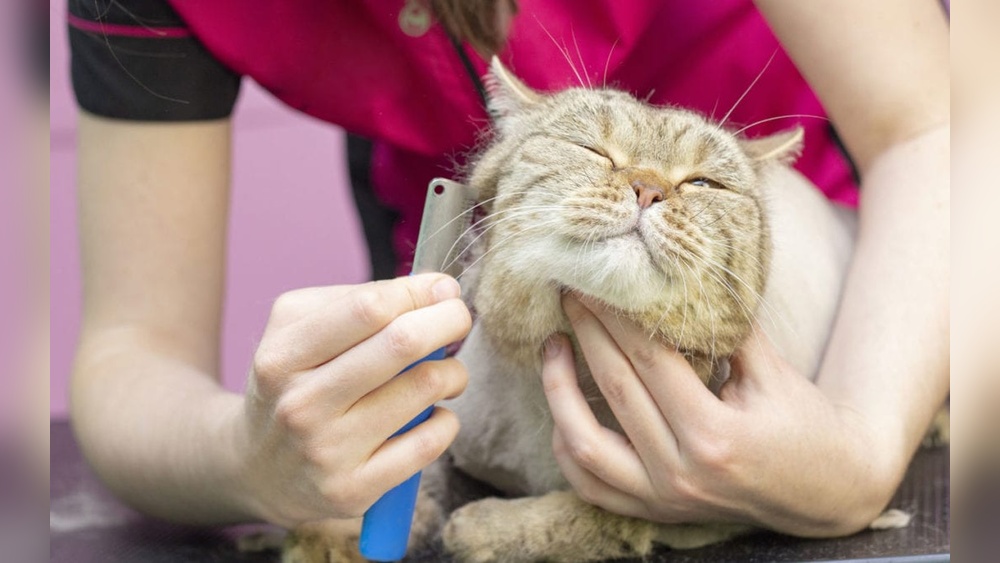
Have you ever wondered why grooming your cat is so important? It’s more than just keeping your furry friend looking good.
Grooming plays a key role in your cat’s health and happiness. When you take time to groom your cat, you’re not only preventing problems like hairballs and skin issues, but you’re also building a stronger bond with your pet. Keep reading to discover the surprising benefits of grooming and simple tips that can make a big difference for both you and your cat.

Credit: luckydawgsalongrooming.com
Benefits Of Cat Grooming
Grooming a cat offers many benefits that improve its health and happiness. Regular care keeps your cat comfortable and clean. It also helps you notice changes in its body early. Grooming can become a calming routine for both you and your pet.
Enhances Coat Health
Brushing removes dirt and loose fur. It stops mats and tangles from forming. A shiny, smooth coat shows good grooming. Healthy fur protects your cat’s skin from harm.
Prevents Hairballs
Cats swallow hair while cleaning themselves. This can cause hairballs in their stomach. Grooming reduces the amount of loose hair. Fewer hairballs mean less discomfort and vomiting.
Detects Health Issues Early
Grooming lets you check your cat’s skin closely. You can spot bumps, cuts, or fleas fast. Early detection helps treat problems before they grow. It keeps your cat healthier for longer.
Strengthens Bond With Your Cat
Grooming is a quiet time together. It builds trust and reduces stress. Your cat feels loved and safe. This time improves your connection every day.
Choosing The Right Grooming Tools
Choosing the right grooming tools is important for your cat’s health and comfort. Using proper tools makes grooming easier and safer. It helps keep your cat’s coat shiny and skin healthy. The right tools reduce stress for both you and your cat. Each tool has a special purpose. Knowing which to use helps you groom well every time.
Types Of Brushes And Combs
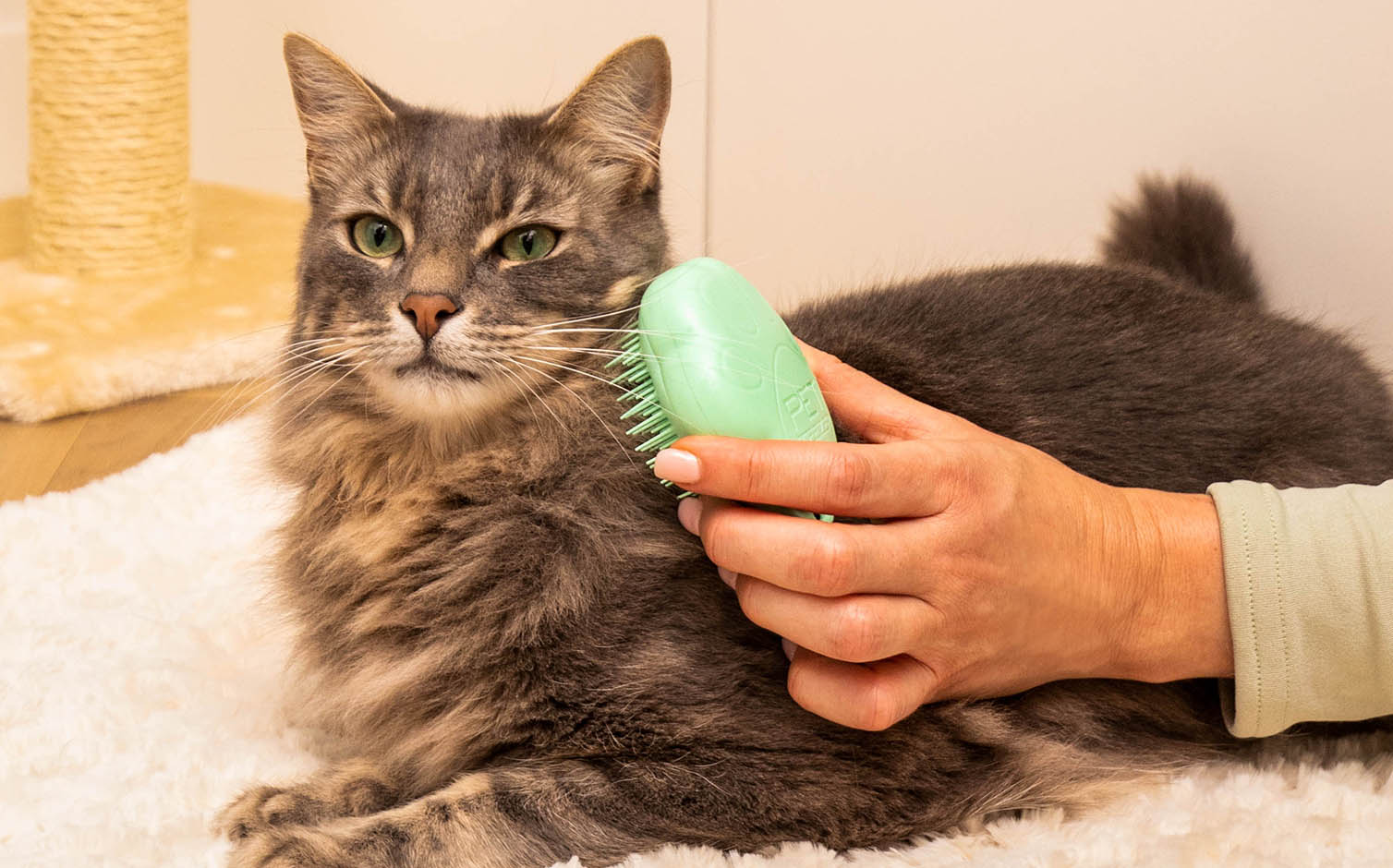
Brushes and combs remove loose fur and dirt. Soft bristle brushes work well for short-haired cats. They gently clean without hurting the skin. Slicker brushes have fine wires to remove mats and tangles. Use them carefully to avoid skin scratches. Metal combs help check for fleas and debris. Choose the size based on your cat’s fur type.
Nail Clippers And Trimmers
Clipping nails prevents scratches and broken nails. Use clippers made for cats to avoid splitting. Scissor-style clippers are good for thick nails. Guillotine clippers work well for smaller nails. Trim nails slowly and carefully. Cut only the sharp tips to avoid pain. Regular trimming keeps your cat comfortable.
Shampoos And Wipes
Shampoos keep your cat’s fur clean and fresh. Use shampoos made for cats only. Human shampoos can harm their skin. Choose gentle formulas with natural ingredients. Wipes are good for quick cleaning. They remove dirt and oils between baths. Both help maintain hygiene and reduce odors.
Grooming Techniques For Different Coat Types
Grooming cats requires different methods based on their coat type. Each coat needs special care to keep cats healthy and comfortable. Knowing the right technique helps prevent skin issues and fur problems. It also keeps your cat looking neat and feeling good.
Short-haired Cats
Short-haired cats need less grooming but still benefit from regular brushing. Use a soft-bristle brush to remove loose hair and dirt. Brush gently in the direction of hair growth. This keeps the coat shiny and reduces hairballs. Brushing once or twice a week is usually enough.
Long-haired Cats
Long-haired cats need daily grooming to prevent tangles and mats. Use a wide-toothed comb to detangle fur before brushing. Follow with a slicker brush to smooth the coat. Be gentle to avoid hurting your cat. Regular grooming helps avoid painful knots and skin problems.
Dealing With Mats And Tangles
Mats form when fur gets twisted and stuck together. Use a dematting comb or scissors carefully to remove mats. Work slowly and avoid pulling the skin. For stubborn mats, consider seeking help from a professional groomer. Regular grooming helps stop mats before they start.

Credit: us.tangleteezer.com
Nail Care And Paw Maintenance
Caring for your cat’s nails and paws is very important. It keeps your cat healthy and comfortable. Proper nail care prevents scratching injuries to you and your furniture. Paw maintenance helps avoid infections and keeps their feet clean.
Regular attention to nails and paws helps spot problems early. Small issues can turn into bigger ones without care. A clean and trimmed cat is a happy cat.
Trimming Nails Safely
Trim your cat’s nails carefully and gently. Use a special cat nail clipper to avoid splintering. Cut only the sharp tip of the nail, avoiding the pink quick. The quick is sensitive and can bleed if cut. Trim nails every two to three weeks to keep them short. If unsure, ask a vet or groomer for help.
Checking For Injuries
Look closely at your cat’s paws during grooming. Check for cuts, swelling, or redness. Inspect between toes for any foreign objects like thorns or dirt. Notice if your cat limps or avoids walking. Early detection of injuries helps prevent infections. Treat minor wounds with vet advice to speed healing.
Keeping Paws Clean
Wipe your cat’s paws regularly with a damp cloth. Remove dirt, litter, and sticky substances that can cause irritation. Clean paws reduce the risk of infections and allergies. Dry paws well after cleaning to avoid moisture buildup. Clean paws also protect your floors from dirt and scratches.
Bathing Your Cat The Right Way
Bathing your cat can be a challenge. Cats usually groom themselves well. Still, there are times when a bath is necessary. Bathing helps keep your cat clean and healthy. Doing it the right way makes the experience better for both of you.
When To Bathe Your Cat
Some cats rarely need baths. They clean themselves with their tongues. Baths are important if your cat gets very dirty. For example, if they roll in something sticky or harmful. Also, cats with skin problems may need regular baths. Older or overweight cats might struggle to groom themselves well. Bathing helps remove dirt and loose fur in these cases.
Preparing For Bath Time
Gather all supplies before starting. Use a cat-friendly shampoo only. Fill the tub or sink with lukewarm water. Keep the water shallow, just enough to wet your cat. Have a towel ready for drying. Brush your cat gently to remove loose fur. Calm your cat by speaking softly. Avoid sudden movements to reduce stress.
Drying And Aftercare Tips
Wrap your cat in a soft towel after the bath. Pat gently to absorb water. Avoid rubbing hard as it can irritate the skin. Use a hairdryer on low, if your cat allows. Keep the dryer moving and not too close. Make sure the room is warm to prevent chills. Praise your cat with treats for good behavior. Check their skin and fur for any issues after drying.
Credit: tangleteezer.com
Managing Shedding And Allergies
Managing shedding and allergies is important for every cat owner. Cats lose fur naturally, but too much fur can cause mess and discomfort. Allergens in cat fur can trigger sneezing and itchy eyes. Grooming helps control shedding and reduce allergens in your home.
Regular Brushing Routines
Brushing your cat often removes loose hair before it falls off. It keeps your home cleaner and reduces hairballs. Short sessions daily or every other day work best. Use a brush suited to your cat’s fur type. Brushing also helps check your cat’s skin for problems.
Using Deshedding Tools
Deshedding tools reach under the top coat to pull out dead hair. They reduce shedding much better than regular brushes. Use these tools carefully to avoid hurting your cat’s skin. Follow the instructions and be gentle. These tools work well during heavy shedding seasons.
Reducing Allergens At Home
Grooming removes dander, a common allergen, from your cat’s fur. Wash your cat’s bedding often to remove dust and fur. Clean floors and furniture regularly with a vacuum cleaner. Use air purifiers to help clear allergens from the air. These steps make your home more comfortable for allergy sufferers.
Handling Grooming Challenges
Grooming a cat is not always easy. Many cats feel scared or nervous during grooming. Some cats may have health problems or be very old. These situations need special care and patience. Handling these challenges helps keep your cat calm and healthy.
Dealing With Fear And Anxiety
Cats often fear grooming tools or being held. Start slowly by letting your cat see and smell the brush. Use gentle strokes and praise your cat quietly. Stop if your cat becomes too stressed. Short sessions work best. Calm voices help reduce anxiety.
Grooming Older Or Sick Cats
Older or sick cats may feel pain during grooming. Use soft brushes and be extra gentle. Watch for signs of discomfort like pulling away or growling. Groom in a warm, quiet place. Keep sessions short and calm. This helps avoid stress and injury.
When To Seek Professional Help
Some cats need help beyond home grooming. If your cat has mats, wounds, or very thick fur, a groomer or vet can help. Professionals have special tools and skills. They can also check your cat’s health while grooming. Don’t hesitate to ask for help when needed.
Frequently Asked Questions
Why Is Regular Cat Grooming Important?
Regular grooming keeps your cat’s coat clean and healthy. It prevents mats and reduces shedding. Grooming also helps spot skin issues early, promoting overall well-being.
How Often Should I Groom My Cat?
Most cats benefit from grooming once or twice a week. Long-haired cats may need daily brushing. Regular grooming depends on your cat’s coat type and lifestyle.
Can Grooming Reduce Cat Hairballs?
Yes, grooming removes loose fur before your cat swallows it. This significantly reduces hairball formation. Frequent brushing helps keep your cat comfortable and hairball-free.
Does Grooming Improve Cat’s Skin Health?
Grooming stimulates natural oils that keep skin moisturized. It removes dirt and dead skin cells. This leads to healthier, shinier fur and less skin irritation.
Conclusion
Grooming a cat keeps their coat clean and healthy. It helps reduce hairballs and shedding at home. Regular grooming also lets you spot health issues early. Cats often feel relaxed during grooming time. It strengthens the bond between you and your pet.
Simple grooming steps can make a big difference. Your cat will look better and feel happier. Take a little time each week to groom. It’s a small effort with great benefits for both. Caring for your cat’s coat shows love and care.