
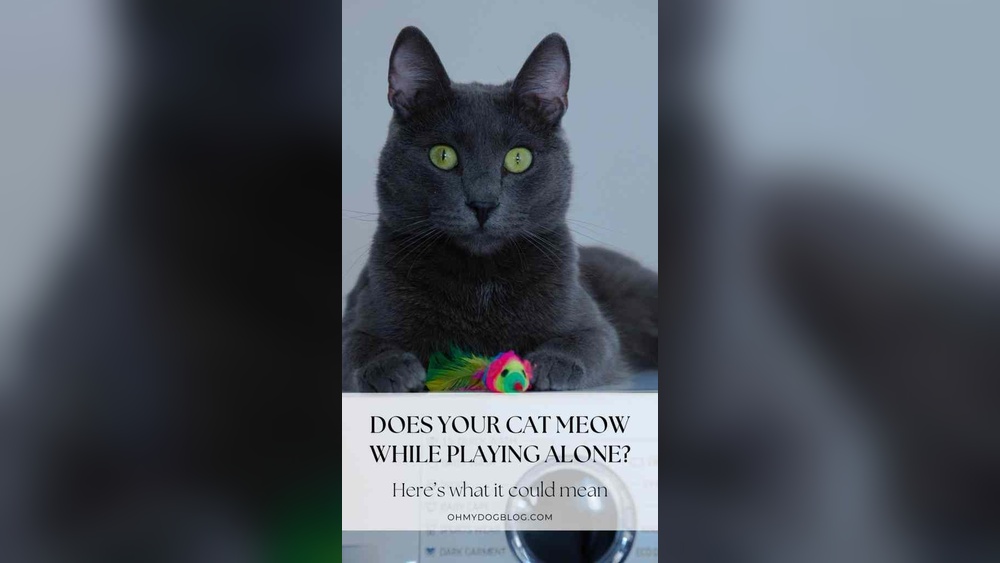
Have you ever noticed your cat yowling right after catching a toy? It can be surprising, even a little confusing.
You might wonder if your furry friend is hurt or upset. But there’s more to this strange sound than meets the ear. Understanding why your cat makes this noise can help you connect better with them and keep playtime fun and safe.
Keep reading to discover the surprising reasons behind your cat’s yowl and what it means for your bond.
Cat Yowling Behavior
Cats communicate in many ways. One common way is through sounds like yowling. Yowling is a loud, long cry that can mean different things. After catching a toy, your cat might yowl to show excitement or claim the catch. Understanding this behavior helps you know your cat better. It also helps reduce any worries about your pet’s health or mood.
Yowling can seem strange, but it is a natural part of cat behavior. Each cat has its own way of expressing feelings. Watching and listening carefully will teach you what your cat wants to say.
Common Sounds Cats Make
Cats use many sounds to talk. Meowing is the most known sound. Cats also purr when happy. Hissing shows fear or anger. Chirping or chattering happens when cats watch birds or toys. Yowling is louder and longer than meowing. It often means strong feelings like pain, fear, or excitement.
When Yowling Occurs
Cats yowl at different times. Some yowl when they want attention or food. Others yowl if they feel hurt or scared. After catching a toy, yowling may show pride or excitement. Your cat might be telling you it won the game. Sometimes, yowling happens if your cat feels lonely or bored. Notice the timing and situation to understand the reason better.

Credit: www.amazon.com
Hunting Instincts Triggered
Cats yowl after catching a toy because their hunting instincts are active. This behavior comes from their natural drive to hunt and catch prey. Even though the toy is not real, it triggers the same feelings inside your cat as hunting live animals. Yowling is a way cats express excitement, frustration, or communication after a catch.
Play As A Hunting Simulation
Playing with toys helps cats practice hunting skills. The toy acts like prey, moving and escaping. This makes the cat focus, stalk, and pounce. These actions are natural hunting steps. The yowl may come from the thrill of this chase. It mimics real hunting sounds cats make in the wild.
Excitement After Catching Prey
After catching a toy, cats feel a rush of excitement. The yowl shows their emotional reaction. It can mean pride or a call to others. This noise signals success in their hunt. Yowling is part of their natural hunting communication. It helps cats express strong feelings after the catch.
Communication Signals
Cats use sounds to share messages with others. Yowling is one way they talk. After catching a toy, your cat might yowl to send specific signals. These sounds help cats show feelings or needs clearly.
Alerting Owners Or Other Pets
Your cat’s yowl can alert you or other pets nearby. It means, “Look what I caught!” Cats want attention and praise. Sometimes, the yowl warns others to stay away. It’s a way to say, “This is mine.”
Expressing Possession Over Toy
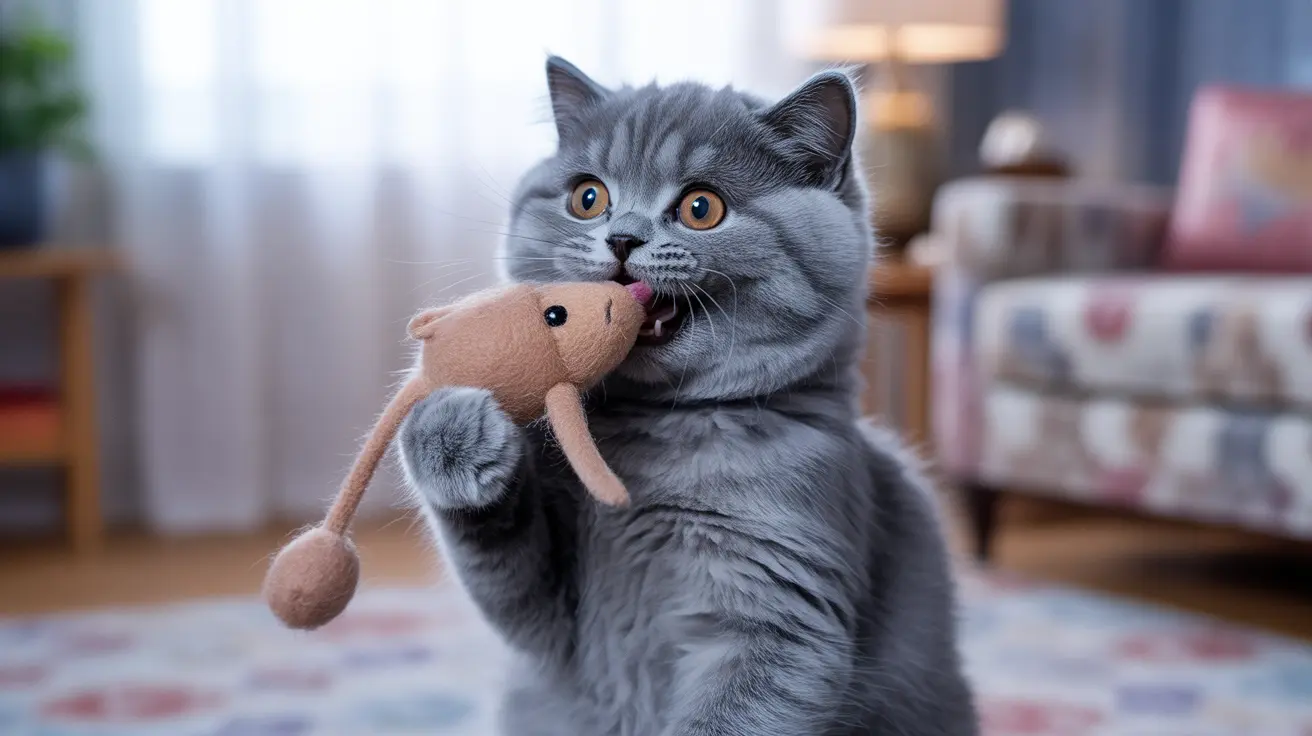
Yowling also shows your cat’s claim on the toy. It is like saying, “I own this now.” This sound keeps other pets from taking the toy. Your cat feels proud and protective. The yowl helps keep the toy safe.
Credit: www.petscare.com
Frustration Or Disappointment
Cats often yowl after catching a toy due to frustration or disappointment. This behavior shows their feelings when the play does not meet their hopes. Understanding these emotions helps explain why your cat reacts this way. Cats want their play to be exciting and rewarding.
Toy Not Meeting Expectations
Your cat might expect a toy to act like real prey. If the toy does not move or feel right, your cat feels let down. The catch becomes less satisfying. The toy may be too easy to catch or too dull. This causes the cat to yowl out of frustration.
Desire For Continued Play
Yowling can also mean your cat wants to keep playing. After catching the toy, they may feel bored or restless. They want you to throw the toy again. The yowl acts like a call for more fun. Your cat shows eagerness to continue the chase.
Health And Comfort Factors
Cats use sounds to tell us how they feel. Yowling after catching a toy can mean different things. Health and comfort play a big part in this behavior. Sometimes, a cat’s body or mind may cause these loud meows. Understanding these reasons helps us care better for our pets.
Possible Pain Or Discomfort
Cats may yowl if they feel pain. Catching a toy might hurt their teeth or paws. Small injuries can make them vocal. Joint pain or arthritis may also cause discomfort. This pain can appear during or after play. Watch for limping or changes in movement. These signs mean a vet visit is needed. Protect your cat from hard or sharp toys.
Stress And Anxiety Influences
Stress can make cats yowl after play. Loud sounds or sudden movements may scare them. Some cats feel anxious when playing too much. Yowling is a way to express stress. Changes in environment or routine add to anxiety. A calm space helps reduce these feelings. Play gently and observe your cat’s reaction. This keeps your cat happy and relaxed.

Credit: catamazing.com
Encouraging Positive Play
Encouraging positive play helps keep your cat happy and healthy. Playtime builds trust and strengthens your bond. It also helps your cat release energy in a good way. Understanding your cat’s yowling after catching a toy can improve play sessions. Use this time to guide your cat toward fun and safe activities.
Choosing The Right Toys
Select toys that match your cat’s size and hunting style. Soft toys or feather wands often work well. Avoid small parts that your cat can swallow. Toys that move or make noise can trigger natural hunting instincts. Change toys regularly to keep your cat interested. This variety keeps play fresh and exciting.
Responding To Yowling Appropriately
Notice your cat’s yowling tone and timing. Gentle praise can encourage calm play. Avoid yelling or punishing your cat. This may cause fear or stress. Instead, redirect your cat to another toy if yowling gets too loud. Reward quiet moments to reinforce good behavior. This approach teaches your cat to express excitement safely.
Frequently Asked Questions
Why Does My Cat Yowl After Catching Toys?
Cats yowl after catching toys to express excitement or claim their “prey. ” It’s a natural hunting behavior and a way to communicate satisfaction or alertness.
Is Yowling After Play Normal For Cats?
Yes, yowling after play is normal. It mimics real hunting sounds and helps cats release energy and feel accomplished.
Can Yowling Mean My Cat Is Stressed?
Sometimes, yowling after catching toys can signal stress or frustration. Watch for other signs like pacing or hiding for better understanding.
How Can I Reduce My Cat’s Yowling During Play?
Provide interactive toys and regular play sessions. Use calming techniques like gentle petting to help reduce excessive yowling.
Conclusion
Cats yowl after catching toys to express excitement or claim their prize. This behavior shows their natural hunting instincts and communication style. Understanding these sounds helps you bond with your pet better. Pay attention to your cat’s feelings during playtime.
Provide toys that keep them happy and engaged. Your cat’s yowling is a normal, healthy part of their play. Enjoy these moments and learn what your cat tries to tell you. Play with care and watch your cat’s personality shine.