
If you have a cat, you know how important it is to keep them clean and healthy. But choosing the right shampoo for your furry friend can be confusing.
Not all shampoos are safe or effective for cats, and using the wrong one might cause skin problems or discomfort. You want a shampoo that is gentle, easy to use, and keeps your cat’s coat shiny and soft. You’ll discover exactly what kind of shampoo works best to groom your cat, making bath time easier and more enjoyable for both of you.
Keep reading to find out how to make your cat’s grooming routine stress-free and safe.
Choosing The Right Shampoo
Choosing the right shampoo for your cat is important for their health and comfort. Cats have sensitive skin and different fur types. Using the wrong shampoo can cause irritation or dryness. You must pick a shampoo that cleans well but is gentle on your cat’s skin and fur.
Types Of Cat Shampoos
There are several types of shampoos made for cats. Some are for regular cleaning and others for special needs. Medicated shampoos help with skin problems. Flea shampoos kill and repel fleas. Hypoallergenic shampoos are best for cats with sensitive skin. Choose the type that fits your cat’s condition and needs.
Ingredients To Look For
Look for shampoos with natural and soothing ingredients. Aloe vera calms the skin. Oatmeal helps reduce itching. Chamomile has anti-inflammatory properties. Vitamin E nourishes the fur and skin. These ingredients clean gently and keep your cat comfortable after bathing.
Avoiding Harmful Chemicals
Avoid shampoos with harsh chemicals that can harm your cat. Stay away from parabens, sulfates, and artificial fragrances. These can dry out skin and cause allergic reactions. Also, do not use human shampoo on cats. Their skin pH is different and human products can irritate them.
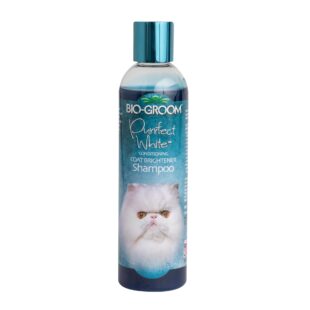
Credit: biogroom.com
Shampoo For Different Fur Types
Choosing the right shampoo for your cat depends on the type of fur it has. Cats have different fur lengths and skin needs. Each type needs special care to stay clean and healthy. Using the correct shampoo helps keep the coat soft and shiny. It also prevents skin problems and matting.
Here are tips for shampoos made for short-haired, long-haired, and sensitive skin cats.
Short-haired Cats
Short-haired cats need a gentle shampoo that cleans without drying their skin. Their fur is close to the body, so a mild formula works best. Look for shampoos that remove dirt quickly and rinse out easily. A shampoo with natural ingredients helps keep their coat shiny and smooth.
Long-haired Cats
Long-haired cats need shampoo that fights tangles and mats. A conditioner or detangler is helpful after washing. Choose a shampoo that adds moisture to prevent dry fur. It should also make brushing easier by softening the hair. A gentle, moisturizing shampoo helps keep their coat beautiful.
Sensitive Skin Cats
Cats with sensitive skin need extra care with their shampoo. Pick a hypoallergenic shampoo free from dyes and strong scents. It should soothe the skin and reduce irritation. A shampoo with natural calming ingredients like aloe or oatmeal works well. This keeps the skin healthy and the cat comfortable.
Specialized Shampoos
Specialized shampoos help treat specific needs of cats. These shampoos support skin health and fight pests. They make grooming safer and more effective. Choosing the right one helps keep your cat happy and clean.
Medicated Shampoos
Medicated shampoos treat skin problems like infections and allergies. They contain ingredients that soothe irritation and reduce redness. Use them only after a vet’s advice. These shampoos can help control dandruff and itching too.
Flea And Tick Control
Flea and tick shampoos kill pests on your cat’s fur. They prevent bites and skin issues caused by these bugs. Use these shampoos regularly in flea season. Always follow the instructions for safe use.
Hypoallergenic Options
Hypoallergenic shampoos are perfect for cats with sensitive skin. They avoid harsh chemicals and fragrances. These shampoos reduce the chance of allergic reactions. They keep your cat clean without irritation.

Credit: www.amazon.com
How Often To Shampoo Your Cat
Knowing how often to shampoo your cat helps keep them clean and healthy. Cats usually groom themselves, so they rarely need baths. But some situations require extra care with shampooing. Understanding the right timing prevents skin problems and stress for your cat.
Factors Influencing Frequency
The cat’s breed affects how often to shampoo. Long-haired cats may need baths more often. Cats with oily or dry skin need special attention. Age matters too. Kittens and older cats might need fewer baths. Outdoor cats get dirtier and need more cleaning. Health problems can also change bathing needs. Always choose a gentle cat shampoo.
Signs Your Cat Needs A Bath
Look for a strong odor from your cat. Visible dirt or grease on the fur means a bath is needed. If your cat scratches a lot, it might need washing. Matted fur or oily patches show a bath can help. After certain illnesses or vet treatments, bathing might be necessary. Watch your cat’s behavior for clues.
Tips For Bathing Your Cat
Bathing a cat can be a challenge. Many cats dislike water and get scared easily. Proper preparation and gentle handling help make the bath less stressful. These tips will guide you through the process smoothly.
Preparing For The Bath
Choose a quiet room without distractions. Gather all supplies before starting. Use a cat-friendly shampoo made for sensitive skin. Fill the tub or sink with a few inches of lukewarm water. Keep a towel nearby to dry your cat quickly. Trim your cat’s nails to avoid scratches. Brush your cat’s fur to remove loose hair and tangles.
Bathing Techniques
Place your cat gently in the water. Use a cup or sprayer to wet the fur slowly. Avoid the face and ears to prevent irritation. Apply shampoo and lather gently with your hands. Rinse thoroughly to remove all shampoo. Speak softly and stay calm to soothe your cat. Take breaks if your cat gets too stressed.
Drying And Aftercare
Wrap your cat in a warm towel immediately after the bath. Pat the fur dry without rubbing too hard. Use a hairdryer only if your cat allows it and keep it on low heat. Keep your cat in a warm room until fully dry. Offer treats and praise to reward good behavior. Regular brushing helps keep the coat clean between baths.

Credit: www.amazon.com
Alternatives To Shampooing
Bathing a cat with traditional shampoo can be stressful for both pet and owner. Cats often dislike water, and shampooing can cause anxiety or discomfort. Many cat owners seek gentle and easy ways to keep their pets clean. Alternatives to shampooing offer simple, less stressful grooming options that help maintain a cat’s hygiene and fur health.
Waterless Shampoos
Waterless shampoos are sprays or foams that clean fur without water. They absorb dirt and oils, leaving fur fresh and soft. These products are quick to use and reduce stress for cats. They do not require rinsing, making the process easier for shy or fearful cats.
Grooming Wipes
Grooming wipes are moist cloths designed to clean a cat’s coat and paws. They remove dirt, dust, and loose fur gently. Wipes are handy for spot cleaning or freshening up between baths. They are soft, safe, and help keep cats smelling nice without water.
Regular Brushing
Regular brushing removes loose hair, dirt, and mats from the coat. It stimulates natural oils, making fur shiny and healthy. Brushing also reduces shedding and hairballs. It builds trust and comfort between owner and cat. A soft brush or comb suits most cat breeds and fur types.
Frequently Asked Questions
What Type Of Shampoo Is Safe For Cats?
Use a shampoo specifically formulated for cats. Avoid human or dog shampoos as they may irritate your cat’s skin and eyes.
How Often Should I Shampoo My Cat?
Cats generally need shampooing only when dirty or smelly, roughly once a month or less. Overbathing can dry their skin.
Can I Use Hypoallergenic Shampoo On My Cat?
Yes, hypoallergenic shampoos are ideal for cats with sensitive or allergy-prone skin. They are gentle and reduce irritation risk.
Should I Choose Shampoo Based On My Cat’s Fur Type?
Yes, select shampoos designed for your cat’s fur, such as long-haired or short-haired formulas, for better grooming results.
Conclusion
Choosing the right shampoo keeps your cat’s fur clean and healthy. Gentle formulas avoid skin irritation and dryness. Always pick products made for cats, not humans. Remember to rinse well to remove all shampoo. Regular grooming with the right shampoo helps reduce shedding.
It also keeps your cat feeling fresh and comfortable. Healthy skin means a happier pet. Care and patience make bath time easier for both of you. Small steps lead to a shiny, soft coat your cat will love.