
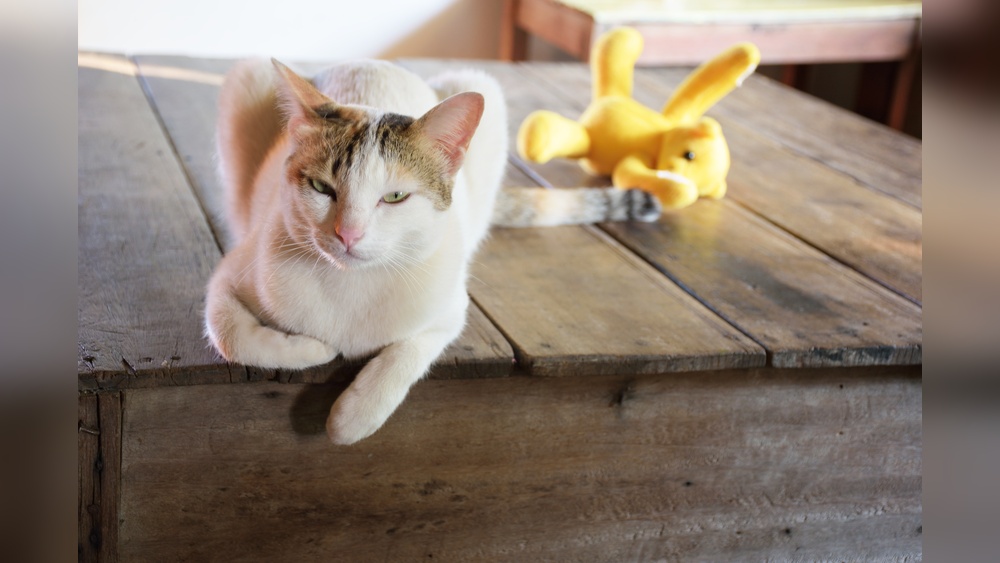
Have you ever bought a toy for your cat, only to watch it ignore the new gift? It can be confusing and even a little frustrating.
You want your furry friend to have fun and stay active, but why doesn’t your cat like toys? Understanding what makes your cat tick can help you find the right way to spark their interest. Keep reading to discover the surprising reasons behind your cat’s toy aversion and how you can turn playtime into their favorite part of the day.

Credit: www.reddit.com
Cat Play Behavior Basics
Cats play for many reasons. Play helps them practice hunting skills and stay active. Understanding their play behavior can explain why some cats ignore toys. Play is natural and important for a cat’s health and happiness.
Each cat has its own style of play. Some prefer chasing, while others like pouncing or stalking. Knowing what your cat enjoys helps you choose the right toys and activities.
Instincts Behind Play
Cats are hunters by nature. Play mimics hunting actions like stalking, chasing, and catching. Kittens start playing early to learn these skills. Adult cats keep playing to stay sharp and fit. Play also helps cats feel safe and reduces stress.
Types Of Play Cats Enjoy
Cats enjoy different types of play based on their personality. Some love chasing moving objects like laser pointers or balls. Others prefer pouncing on soft toys or feathers. Interactive play with humans often excites cats more than solo toys. Quiet cats may like puzzle toys that challenge their mind.

Credit: travelingtails.com
Common Reasons Cats Avoid Toys
Cats sometimes ignore toys, leaving owners confused. Understanding why cats avoid toys helps improve playtime. Cats have unique personalities and needs.
Not every cat finds toys fun. Some prefer other activities or stimuli. Knowing common reasons helps choose the right toys.
Lack Of Interest
Some cats simply do not find toys exciting. Toys may seem boring or repetitive. Cats need variety to stay engaged. A toy that worked once might lose appeal. Cats prefer toys that mimic natural movements.
Preference For Real Prey
Cats are natural hunters. They often prefer real prey to fake toys. Movement, smell, and sound attract their attention. Toys cannot fully replace live animals. Cats may watch birds or insects more than toys. Hunting instincts remain strong even in indoor cats.
Overstimulation Or Fear
Some toys can scare or overwhelm cats. Loud noises or fast movements may frighten them. Overactive play might cause stress or anxiety. Cats need calm and gentle introduction to toys. Respect their mood and space during playtime.
Health And Age Factors
Cats may avoid toys due to health and age factors. These factors affect their energy and interest. Understanding them helps improve your cat’s playtime experience. Play is important for cats but changes with age and health.
Impact Of Age On Playfulness
Kittens and young cats love to play a lot. Their energy is high, and they enjoy chasing toys. As cats grow older, their activity slows down. Senior cats often prefer rest over play. Joints and muscles get weaker with age. This reduces their interest in toys. Older cats may need softer, slower play options.
Health Issues Affecting Activity
Health problems can make cats less active. Pain from arthritis or injuries can stop play. Illnesses like obesity reduce a cat’s energy. Dental pain or infections also lower their mood. Cats with breathing problems get tired fast. Regular vet visits help find hidden health issues. Treating health problems can bring back playfulness.
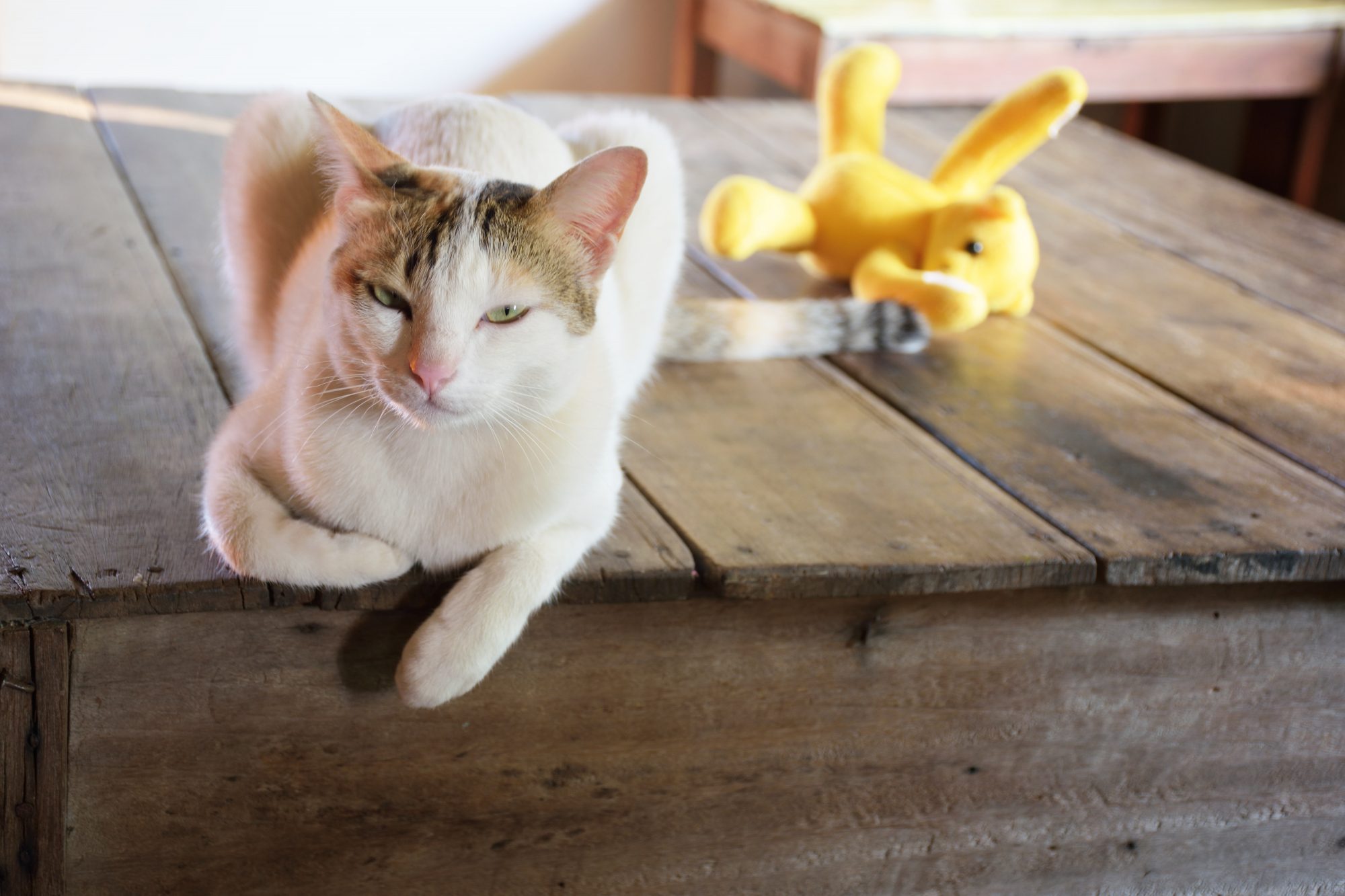
Credit: www.ovrs.com
Toy Characteristics That Matter
Cats can be picky about their toys. Not all toys catch their interest. Certain features of toys make a big difference. These features affect how your cat feels and plays. Understanding these can help you pick the right toy.
Texture And Size
Cats like toys that feel good to touch. Soft or fuzzy textures often attract cats. Some cats prefer smooth or rubbery toys. The size of the toy matters too. Toys too big or too small can scare or bore them. The right size fits their paws and mouth well.
Movement And Sound
Many cats love toys that move. Quick, jerky movements mimic prey and excite them. Toys that wiggle or bounce can keep their attention. Sounds also play a role. Soft rustling or squeaking sounds often interest cats. Loud or harsh noises may frighten them.
Scent And Familiarity
Cats rely on smell a lot. Toys with familiar scents feel safe to them. Some toys come with catnip, which many cats enjoy. Others prefer toys that smell like their home or owner. New or strange scents might make cats avoid toys. Familiar smells invite them to play more.
Environmental Influences
Environmental factors can affect a cat’s interest in toys. Cats depend on their surroundings to feel safe and curious. Changes in their environment may change how they behave with toys. Understanding these influences helps explain why some cats do not enjoy playtime.
Stress And Anxiety
Stress can make cats avoid toys. Loud noises or new places can frighten them. A stressed cat may hide or stay still. Anxiety lowers their desire to play. Creating a calm space helps reduce stress. A relaxed cat is more likely to use toys.
Social Interaction Needs
Cats need social contact to feel happy. Some cats prefer playing with others. Without social interaction, toys may seem boring. A lonely cat might ignore toys. Playing together can increase their interest. Spending time with your cat can boost playtime.
Routine And Stimulation Levels
Cats like routine and mental challenge. Too little stimulation can cause boredom. A cat may lose interest in toys if they are always the same. Changing toys and playtimes keeps cats engaged. Providing new challenges helps keep their mind sharp. A well-stimulated cat enjoys toys more.
Encouraging Play In Reluctant Cats
Encouraging play in reluctant cats takes patience and understanding. Some cats may not show interest in toys right away. They might need time to feel safe and curious. Creating a gentle and fun environment helps them open up to play. Small steps work best to build their confidence.
Introducing New Toys Gradually
Start by placing new toys near your cat’s resting area. Let them sniff and explore without pressure. Rotate toys every few days to keep things fresh. Avoid overwhelming your cat with too many toys at once. A slow introduction helps your cat feel comfortable.
Interactive Play Techniques
Use wand toys or feathers to catch your cat’s attention. Move toys like real prey, with slow and quick motions. Sit close and encourage your cat to chase or bat at the toy. Keep play sessions short, around 5 to 10 minutes. This prevents boredom and keeps your cat interested.
Using Treats And Rewards
Offer small treats during or after play to create positive feelings. Praise your cat gently with a soft voice. Rewarding good behavior helps your cat link toys to fun experiences. Treats also motivate shy cats to join in playtime. Keep rewards simple and consistent for best results.
When To Consult A Veterinarian
Sometimes, a cat’s dislike for toys signals a deeper issue. Watching your cat closely helps spot problems early. Knowing when to seek veterinary advice protects your pet’s health.
Behavioral Changes To Watch
Notice if your cat stops playing suddenly. Look for signs like hiding more or being less active. Changes in eating or grooming habits matter too. These shifts may indicate discomfort or illness. Tracking these behaviors helps your vet understand the problem better.
Ensuring Overall Well-being
A vet checks your cat’s health fully. They can find pain, infections, or other issues. Regular check-ups keep your cat happy and healthy. Early care may restore your cat’s interest in toys. It also prevents serious health problems later on.
Frequently Asked Questions
Why Doesn’t My Cat Show Interest In Toys?
Some cats prefer solitude or resting over play. They may find certain toys unappealing or unfamiliar. Age, personality, and past experiences influence their interest in toys.
Can Stress Affect My Cat’s Toy Behavior?
Yes, stress can reduce a cat’s desire to play. Changes in environment, loud noises, or new pets may cause anxiety. Providing a calm space helps improve their engagement with toys.
How To Choose Toys My Cat Will Like?
Observe your cat’s hunting style and preferences. Use toys that mimic prey, like feather wands or moving mice. Rotate toys regularly to maintain curiosity and interest.
Does Age Impact My Cat’s Toy Preference?
Older cats may prefer less active play or softer toys. Kittens are naturally more playful and energetic. Adjust toy type and playtime to suit your cat’s life stage.
Conclusion
Cats have their own likes and dislikes, just like people. Some cats may not enjoy toys because they prefer quiet or different activities. Age, personality, and health can affect their interest too. Trying new toys or playing gently might help.
Patience and attention show your cat you care. Understanding your cat’s needs builds a stronger bond. Keep observing what makes your cat happy. Playtime should be fun for both of you. Enjoy the moments, even if toys aren’t always the answer.