
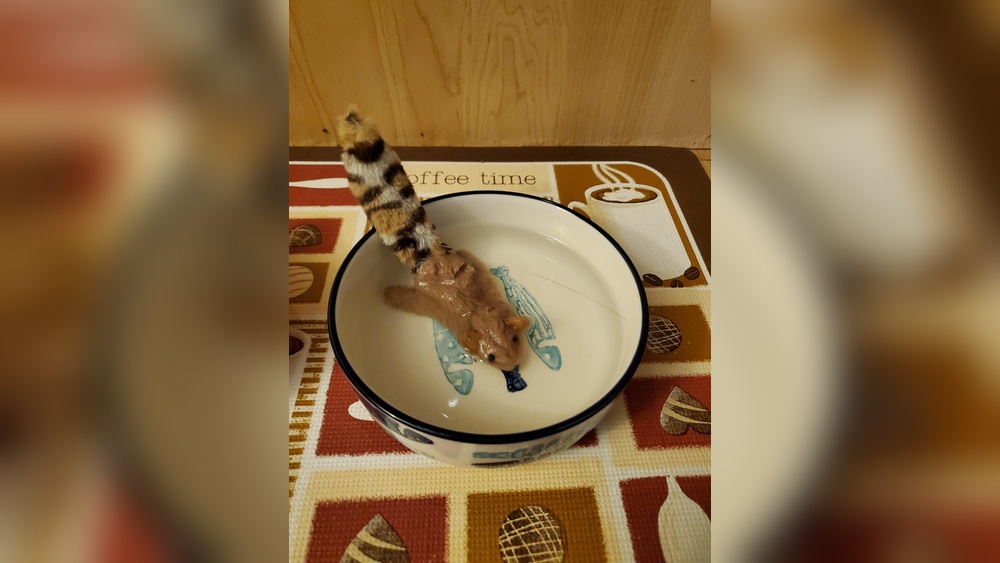
Have you ever caught your cat chewing on her toys and wondered, “Why is my cat eating her toys?” It’s a strange sight that can leave you worried or confused. You might ask yourself if this behavior is normal or if it signals a deeper problem.
Understanding why your furry friend does this can help you keep her safe and happy. Keep reading to discover the surprising reasons behind this quirky habit and learn what you can do to help your cat feel her best.
:strip_icc()/stop-water-bowl-games-554013-hero-b153fe373baf4356b72eab3389191cd2.jpg)
Credit: www.thesprucepets.com
Cat Toy Chewing Habits
Cats often chew their toys, a habit that puzzles many pet owners. This behavior can have many reasons. Understanding why cats chew helps owners keep their pets safe and happy. Chewing on toys is part of their natural instincts and daily activities.
Common Behaviors Explained
Cats chew toys for fun and to explore textures. Chewing helps relieve stress and boredom. Young cats use their mouths to learn about objects. Some cats chew to clean their teeth or massage gums. Cats with teething problems may chew more often. Chewing can also be a sign of curiosity or playfulness.
When Play Becomes Eating
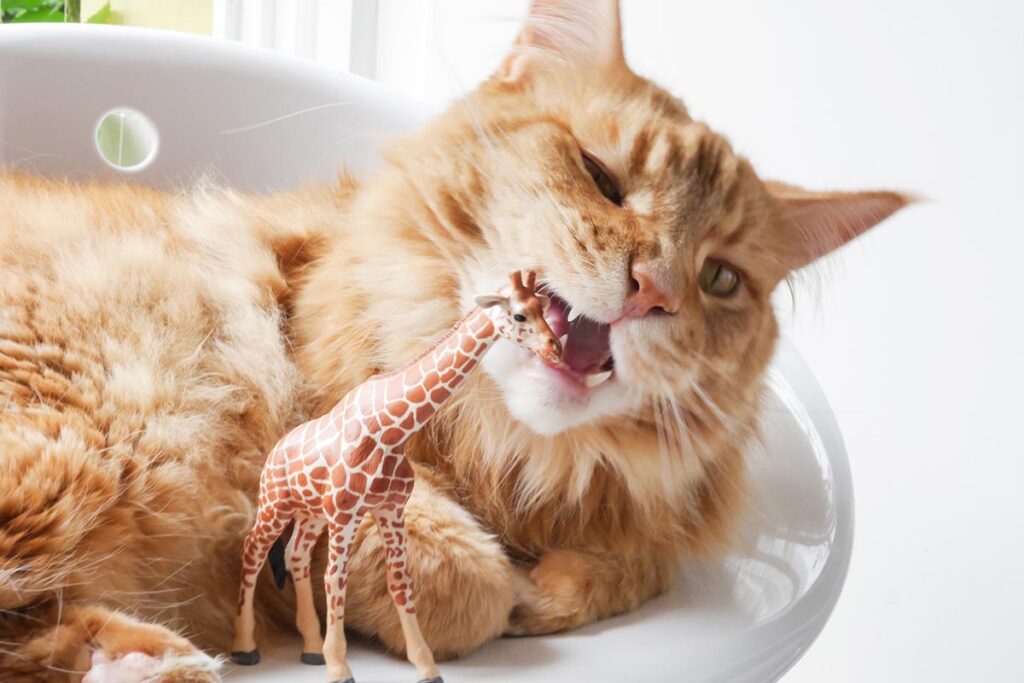
Chewing turns into eating when cats swallow parts of toys. This can cause choking or stomach problems. Some cats may eat soft toy stuffing or fabric. Eating toys often needs attention from owners. Providing safe, chewable toys reduces the chance of eating them. Watch your cat’s behavior to stop eating before it starts.
Medical Causes Behind Toy Eating
Cats sometimes chew or eat their toys for reasons related to health. These behaviors can signal medical problems. Understanding these causes helps keep your cat safe and healthy.
Some cats eat toys due to nutritional gaps or stomach troubles. Others might have a condition called pica, which makes them eat unusual things. Let’s explore these medical causes.
Nutritional Deficiencies
Cats need a balanced diet with vitamins and minerals. Missing nutrients can make them chew on toys. This behavior may be their way of trying to fill nutrient gaps. Poor diet or health problems can cause these deficiencies.
Gastrointestinal Issues
Stomach pain or discomfort can lead cats to chew toys. This may soothe their upset stomach or distract them from pain. Conditions like acid reflux or inflammation might cause this behavior. A vet check helps find these issues early.
Pica Disorder In Cats
Pica is a condition where cats eat non-food items like toys. It can come from stress, boredom, or medical problems. Pica is serious and can cause choking or blockages. Professional help is important to manage this disorder.
Psychological Factors
Cats sometimes eat their toys due to psychological reasons. Their minds need proper care and attention. Emotional states can make cats chew or bite toys more than usual. Understanding these factors helps owners support their pets better.
Stress And Anxiety
Stress can cause strange behaviors in cats. Changes in the home or loud noises may upset them. Eating toys might soothe their nervousness. It acts like a coping mechanism. This behavior can increase during stressful times.
Boredom And Lack Of Stimulation
Cats need mental and physical activity daily. Without enough play, they get bored. Chewing toys becomes a way to entertain themselves. It helps reduce feelings of loneliness. Keeping cats busy can lower toy-eating habits.
:strip_icc()/pushy-cat-behavior-554063-hero-61d95710aacf45369539d5e22135714a.jpg)
Credit: www.thesprucepets.com
Environmental Influences
Environmental factors play a big role in a cat’s behavior. Changes around the home or lack of proper toys can make cats chew or eat their toys. Understanding these influences helps owners manage this behavior better.
Changes At Home
Cats are sensitive to changes in their environment. Moving to a new house or rearranging furniture can stress them out. Stress often causes unusual habits like eating toys. New pets or family members can also make cats nervous. They may chew toys to feel safe or calm.
Lack Of Proper Toys
Not having enough toys or the right kind affects cats. Cats need toys that challenge them and keep their interest. Boring or worn-out toys lose appeal quickly. Cats might chew or eat toys to explore or relieve boredom. Providing fresh, safe toys helps reduce this behavior.
Risks Of Eating Toys
Cats may chew or eat their toys out of curiosity or boredom. This behavior can cause serious problems for their health. Small toy parts or pieces can harm your cat in different ways. Understanding the risks helps you keep your pet safe.
Choking Hazards
Toy pieces can get stuck in your cat’s throat. This can block their airway and cause choking. Choking is very dangerous and needs quick action. Soft or small toys are often the biggest risk. Always watch your cat when playing with toys.
Intestinal Blockages
Swallowed toy parts can get stuck in the intestines. This causes pain and stops food from passing. Blockages can lead to serious infections or surgery. Signs include vomiting, loss of appetite, or lethargy. Take your cat to the vet right away if you notice these symptoms.
Credit: sunsetanytime.com
Preventive Measures
Preventive measures help stop your cat from eating her toys. This behavior can harm her health. Taking steps early keeps her safe and happy. It also protects your belongings from damage. Focus on offering safer options and a fun space for your cat.
Providing Safe Alternatives
Give your cat toys made for chewing. Soft rubber or fabric toys work well. Avoid small parts that can break off and choke her. Rotate toys to keep her interest alive. Offer treats designed for chewing to satisfy her urge. Safe alternatives reduce the risk of swallowing harmful items.
Creating An Enriching Environment
Keep your cat busy with puzzles and playtime. A bored cat may chew on toys out of frustration. Use climbing trees and scratching posts to engage her. Change toys often to keep things fresh. Spend time playing with your cat every day. A happy cat chews less on toys.
When To Visit The Vet
See a vet if your cat eats toys often. It might signal health issues like pica or stress. A vet can check for nutritional problems or anxiety. Early help prevents serious health problems. Trust your vet’s advice to keep your cat safe.
Frequently Asked Questions
Why Does My Cat Chew On Her Toys?
Cats chew on toys to explore textures, relieve boredom, and satisfy natural hunting instincts. It’s a way to engage their senses and stay entertained.
Is It Normal For Cats To Eat Their Toys?
Yes, some cats nibble or swallow toy pieces out of curiosity or stress. However, monitor this behavior to prevent choking or digestive issues.
Can Eating Toys Harm My Cat’s Health?
Swallowing toy parts can cause blockages or intestinal damage. Seek veterinary advice if your cat frequently eats or chews toys aggressively.
How Can I Stop My Cat From Eating Her Toys?
Provide safe, durable toys and plenty of playtime. Redirect chewing to appropriate items and consult a vet if behavior persists.
Conclusion
Cats eating toys can mean many things. Sometimes, they feel bored or stressed. Other times, they seek attention or explore textures. Watch your cat closely to notice patterns. Provide safe, chew-friendly toys instead. Keep harmful items out of reach. Regular play and affection help reduce this habit.
Always check with a vet if you worry. Understanding your cat makes life better for both. Keep your furry friend happy and healthy. Simple changes can make a big difference.