
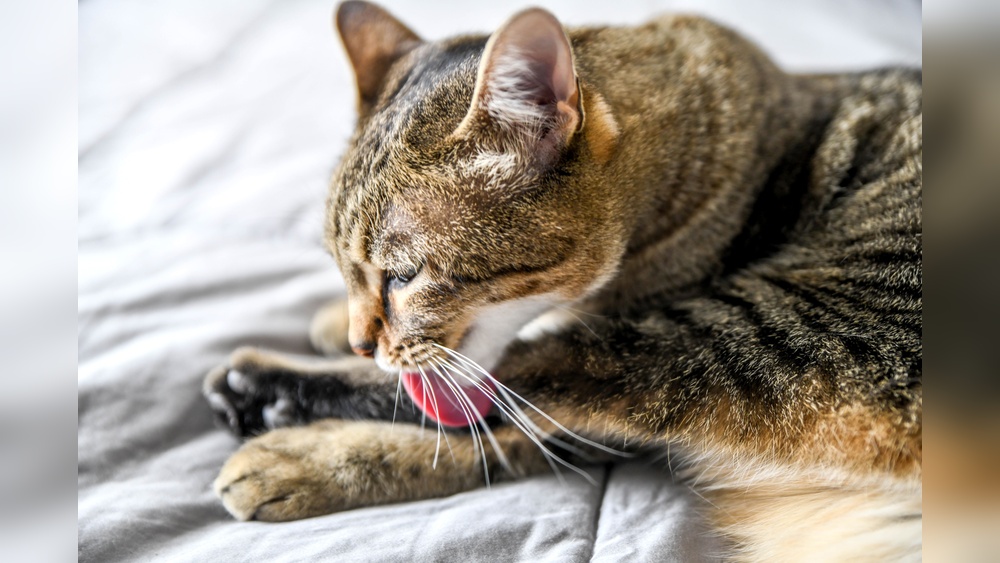
Is one of your cats constantly grooming another cat to the point it’s causing discomfort or even skin problems? You’re not alone, and this behavior can be stressful for both your pets and you.
But don’t worry—there are simple, effective ways to stop one cat from over grooming another. By understanding why this happens and learning practical steps, you can restore peace and comfort to your furry friends. Keep reading to discover how you can help your cats feel happier and healthier together.

Credit: www.reddit.com
Causes Of Over Grooming
Over grooming in cats can be a sign of deeper problems. It happens when one cat licks or bites another cat too much. This behavior can cause pain and skin damage. Understanding why it happens helps to stop it effectively. Several causes lead to over grooming between cats.
Stress And Anxiety
Stress is a common cause of over grooming. Cats feel stressed from loud noises or changes at home. New pets or visitors can also cause anxiety. Over grooming becomes a way for cats to cope with stress. It helps them feel calm but can harm the other cat.
Territorial Behavior
Cats are very territorial animals. One cat may groom another to show dominance. This behavior sets boundaries within the home. Over grooming can be a way to control or mark territory. It may cause fights or fear between cats.
Medical Issues
Sometimes over grooming is linked to health problems. Skin infections or parasites cause itching and discomfort. The grooming cat tries to soothe the other’s pain. Allergies can also make cats lick or bite too much. Checking with a vet is important to rule out medical causes.
Signs To Watch For
Knowing the signs of one cat over grooming another helps you act quickly. Early detection can prevent stress and injuries. Watch both cats closely for changes in health and behavior. Small signs can show a big problem.
Physical Indicators
Check the cat being groomed for bald spots or red skin. These can show skin irritation or hair loss. Look for wounds, scratches, or scabs on the body. Over grooming often causes these marks. Notice if the cat’s fur looks uneven or patchy. Swelling or tenderness also points to over grooming. Keep an eye on the grooming cat too. Excessive licking of the other cat’s fur is a clear sign.
Behavioral Changes
The cat being groomed may hide more than usual. It might avoid the other cat or seem nervous. Watch for signs of stress like trembling or restlessness. The grooming cat may act obsessively. It might follow the other cat everywhere. Sometimes, the grooming cat becomes more aggressive or vocal. Both cats may stop playing or eating normally. These behavior changes show discomfort and need attention.
Creating A Calm Environment
Creating a calm environment is key to stopping one cat from over grooming another. Cats feel safer and less stressed in quiet, peaceful spaces. A calm home reduces tension and helps cats relax. This lowers the chance of over grooming, which often happens from stress or anxiety.
Safe Spaces For Cats
Give each cat its own safe space. These places should be quiet and cozy. Use soft beds, blankets, or boxes where cats can hide. Cats like to have spots high up or tucked away. This helps them feel secure and less bothered by others. Separate feeding and litter areas also reduce stress and conflict.
Reducing Stress Triggers
Noise, sudden movements, and too many changes can stress cats. Keep the home calm and stable. Avoid loud sounds and quick actions near cats. Give them time to adjust to new people or pets. Playtime and gentle petting help cats relax. Use calming sprays or diffusers made for cats to ease anxiety.
Behavioral Interventions
Behavioral interventions help change how cats act with each other. They reduce over grooming by guiding cats to better habits. These methods focus on changing behavior without causing stress. They create a calm and balanced environment for both cats.
Redirecting Attention
Redirect the grooming cat’s focus to other activities. Use toys or play sessions to catch their interest. This stops the cat from bothering the other. Regular play helps keep the cat busy and happy. Attention shifts from grooming to fun, lowering stress and tension.
Positive Reinforcement
Reward calm and gentle behavior with treats or praise. This teaches the cat what behavior is good. Give rewards right after the cat stops over grooming. Consistent rewards help the cat learn quickly. Positive reinforcement builds trust and encourages better habits.
Providing Enrichment
Offer different toys, scratching posts, and climbing areas. Enrichment keeps cats mentally and physically active. A busy cat grooms less out of boredom or stress. New scents and objects also stimulate their minds. Enrichment helps reduce anxiety and unwanted grooming behaviors.
Managing Interactions
Managing interactions between cats helps reduce over grooming problems. Careful control of their time together can calm tension. It gives each cat space to feel safe. Proper management helps both cats stay happy and healthy.
Supervised Playtime
Supervised playtime lets you watch how cats behave. Play with toys that keep their attention. Notice signs of stress or over grooming. Stop play if one cat becomes too rough. Praise gentle and calm behavior to encourage peace. This time builds positive bonds between your cats.
Separating Cats When Necessary
Separate cats if over grooming continues or worsens. Use baby gates or separate rooms for safety. Give each cat its own food and water bowls. Let them rest without stress or interruption. Reintroduce cats slowly after some time apart. This break helps reduce anxiety and stops over grooming.
Health Checkups And Treatments
Health checkups and treatments play a key role in stopping one cat from over grooming another. Over grooming can cause wounds, hair loss, and stress. Detecting medical issues early helps protect both cats. Regular visits to the vet ensure proper care and healing.
Veterinary Evaluation
A veterinary evaluation helps find the cause of over grooming. The vet examines both cats for skin problems, allergies, or infections. They check for pain or discomfort that might trigger grooming. Blood tests or skin scrapings might be done. This thorough check helps decide the best treatment plan.
Medications And Therapies
The vet may prescribe medications to reduce itching or inflammation. Antibiotics or antifungal creams treat infections. Anti-anxiety medicines calm stressed cats. Sometimes, special shampoos or ointments help skin heal faster. Behavior therapy or environmental changes support long-term improvement. These treatments work together to stop over grooming effectively.
Long-term Prevention Tips
Stopping one cat from over grooming another requires patience and care. Long-term prevention helps keep both cats happy and healthy. It takes small, steady steps to change behavior and prevent stress.
Focus on building a calm environment. Cats thrive with routine and predictability. Watch their actions closely to catch problems early. These tips create a peaceful home for your pets.
Consistent Routine
Cats feel safe with a regular daily schedule. Feed them at the same time every day. Play and rest times should also stay steady. This helps reduce stress that can cause over grooming.
Keep litter boxes clean and in quiet places. Provide enough food and water bowls for all cats. A calm routine lowers anxiety and stops unwanted grooming habits.
Ongoing Monitoring
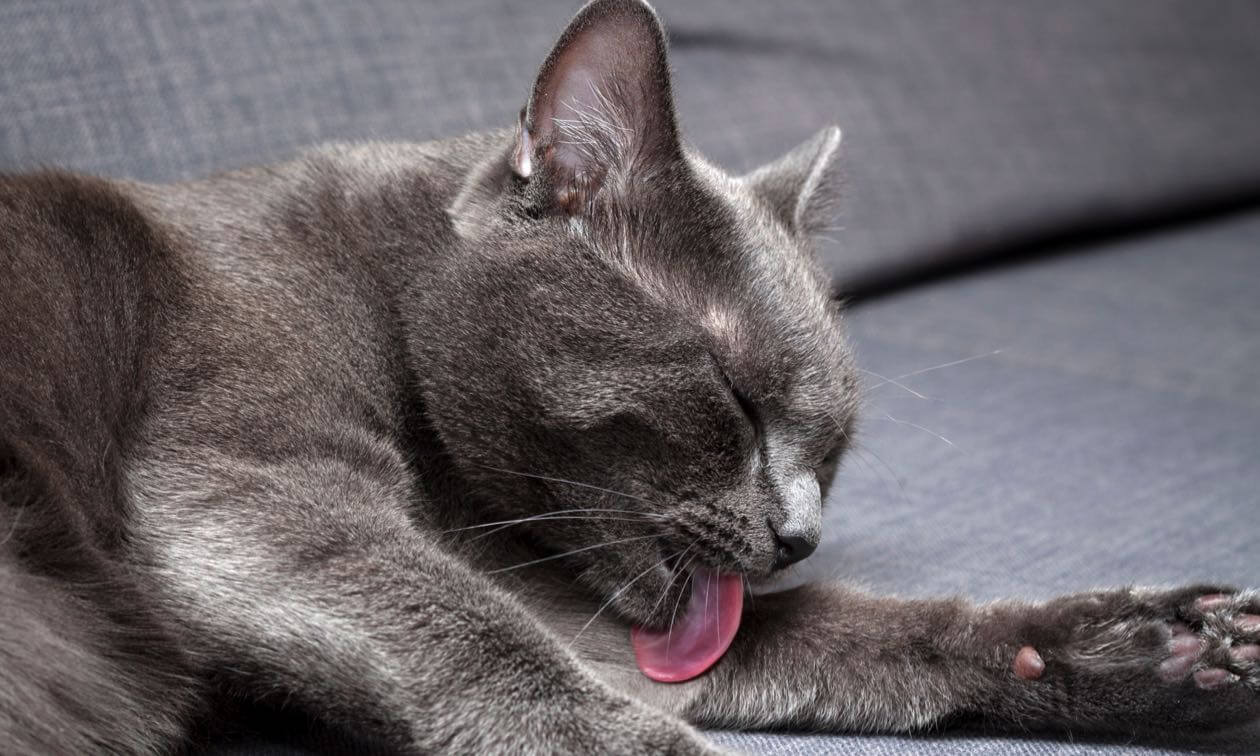
Observe your cats daily for changes in behavior or health. Watch for signs of stress like hiding or aggression. Check their fur and skin for over grooming spots.
Note when the grooming happens and what triggers it. Early action can prevent serious damage. Talk to a vet if the problem continues or worsens.
Credit: www.zoetispetcare.com

Credit: www.reddit.com
Frequently Asked Questions
Why Does One Cat Over Groom Another Cat?
One cat may over groom another due to dominance, stress, or anxiety. It can also be a grooming habit transferred from mother cats or a sign of social bonding that becomes excessive.
How Can I Stop My Cat From Over Grooming Another?
To stop over grooming, distract the grooming cat with toys or treats. Increase playtime and provide separate resting spaces to reduce stress and territorial behavior.
Is Over Grooming Harmful To The Other Cat?
Yes, over grooming can cause skin irritation, hair loss, and infections. It can also lead to stress and behavioral issues in the over groomed cat.
When Should I Consult A Vet For Cat Over Grooming?
Consult a vet if over grooming causes wounds, bald patches, or behavioral changes. A vet can check for medical issues or recommend behavior therapy.
Conclusion
Stopping one cat from over grooming another takes patience and care. Observe both cats to understand their behavior. Provide enough toys and space to reduce stress. Offer separate resting spots to keep them comfortable. Use gentle distractions to break the grooming cycle.
Keep their nails trimmed to avoid injury. Consult a vet if the problem continues. Small changes can make a big difference. Your cats will feel happier and healthier soon.