
Does it ever frustrate you when your cat ignores the toys you bring home? You buy the newest, most exciting toy, only to see your furry friend walk away without a glance.
You wonder, “Why won’t my cat play with toys? ” It’s confusing and can make you question if something’s wrong. But don’t worry—understanding why your cat isn’t interested in toys is easier than you think. Keep reading, and you’ll discover simple reasons behind this behavior and how you can spark your cat’s playful side again.
Common Reasons Cats Ignore Toys
Many cat owners wonder why their pets ignore toys. Cats may not play with toys for several common reasons. Understanding these reasons helps improve your cat’s playtime experience. Play is important for a cat’s health and happiness. Identifying the cause can bring back the fun.
Lack Of Interest Or Boredom
Some cats lose interest in toys quickly. They may find certain toys boring or repetitive. Cats need variety to stay engaged. Changing toys often or adding new features can help. Toys that move or make noise usually attract more attention.
Health Issues Affecting Play
Illness or pain can stop a cat from playing. Cats with arthritis or injuries may avoid activity. Check for signs like limping or lethargy. A visit to the vet can rule out health problems. Treating health issues often restores playfulness.
Age And Energy Levels
Kittens are usually very playful and active. Older cats tend to have less energy. Senior cats may prefer quiet rest over play. Adjust playtime to fit your cat’s age. Gentle and slow games work better for older cats.
Preference For Different Toy Types
Not all cats like the same toys. Some prefer soft toys, others like feathers or balls. Observe which toys catch your cat’s eye. Experiment with textures, sizes, and movements. Respect your cat’s unique taste in toys.
Environmental Factors
The surroundings affect a cat’s interest in toys. Loud noises or busy areas may distract them. A calm and safe space encourages play. Ensure toys are easily accessible and visible. A quiet corner often invites more interaction.

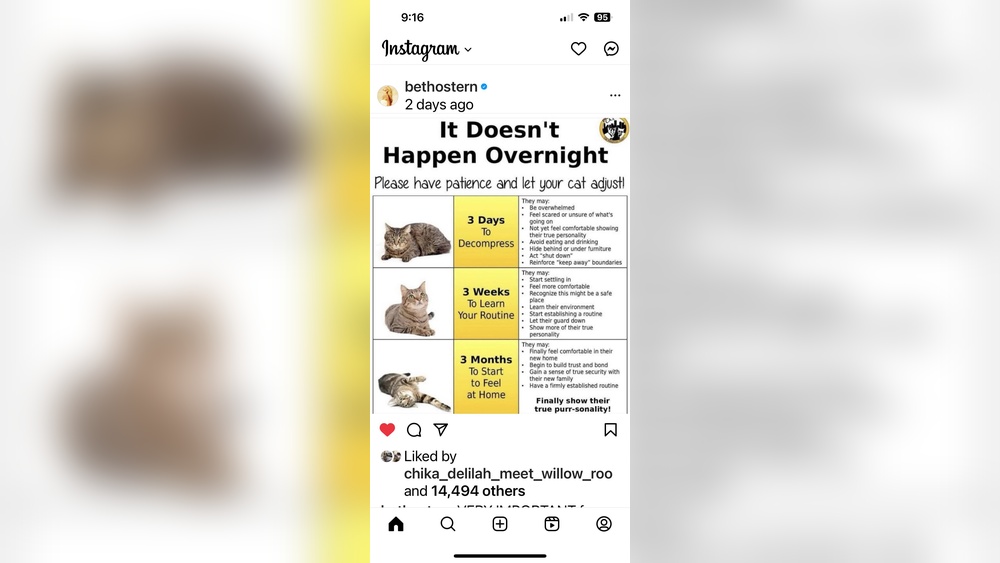
Credit: www.feliway.co.uk
Tips To Encourage Playfulness
Getting your cat to play can be a challenge. Cats may not always show interest in toys right away. Encouraging playfulness takes patience and the right approach. Here are some tips to help your cat enjoy playtime more.
Choosing The Right Toys
Select toys that match your cat’s natural instincts. Cats love toys that move or make noise. Small balls, feather wands, and laser pointers often work well. Avoid toys that are too big or hard to catch. Watch which toys your cat prefers and offer those more often.
Creating A Stimulating Environment
Make your home interesting for your cat. Add climbing shelves or scratching posts. Change toy locations to keep things fresh. Cats enjoy exploring new spaces and objects. A lively environment invites your cat to play and stay active.
Scheduling Regular Playtime
Set specific times each day for play. Cats like routine and feel more comfortable with it. Short sessions, about 10 to 15 minutes, work best. Play before meals to trigger their hunting instinct. Consistent play helps your cat look forward to fun moments.
Using Interactive Play Techniques
Engage your cat with your hands and voice. Move toys like real prey to spark interest. Let your cat chase, pounce, and catch the toy. Praise and pet your cat after playtime. Interaction builds trust and makes play more enjoyable.
Addressing Health And Behavioral Concerns
When a cat refuses to play with toys, health and behavior may be the reasons. Cats show different signs when they feel unwell or stressed. Understanding these signs helps owners respond well. Addressing health and behavioral concerns can improve a cat’s interest in toys. It also strengthens the bond between the cat and owner.
When To Visit The Vet
Loss of interest in toys can mean illness. Cats hide pain well. Check for changes in eating, sleeping, or grooming. Limping or hiding often shows discomfort. Sudden behavior change needs a vet’s check. Early visits prevent serious problems. The vet can rule out diseases or injuries. Proper treatment helps cats feel better and play again.
Managing Stress And Anxiety
Stress stops cats from playing. Loud noises, new pets, or moving house cause anxiety. Cats need calm and safe spaces. Provide quiet areas with favorite blankets or beds. Maintain a daily routine for feeding and playtime. Use pheromone sprays to create comfort. Patience and gentle care lower stress. A relaxed cat will enjoy toys more.
Dealing With Past Trauma
Some cats have bad experiences with toys or people. This trauma can cause fear and avoidance. Give time for trust to grow. Use soft, slow play to build comfort. Avoid forcing the cat to play. Watch body language for signs of fear. Positive experiences help heal past wounds. Over time, the cat may start to enjoy toys again.
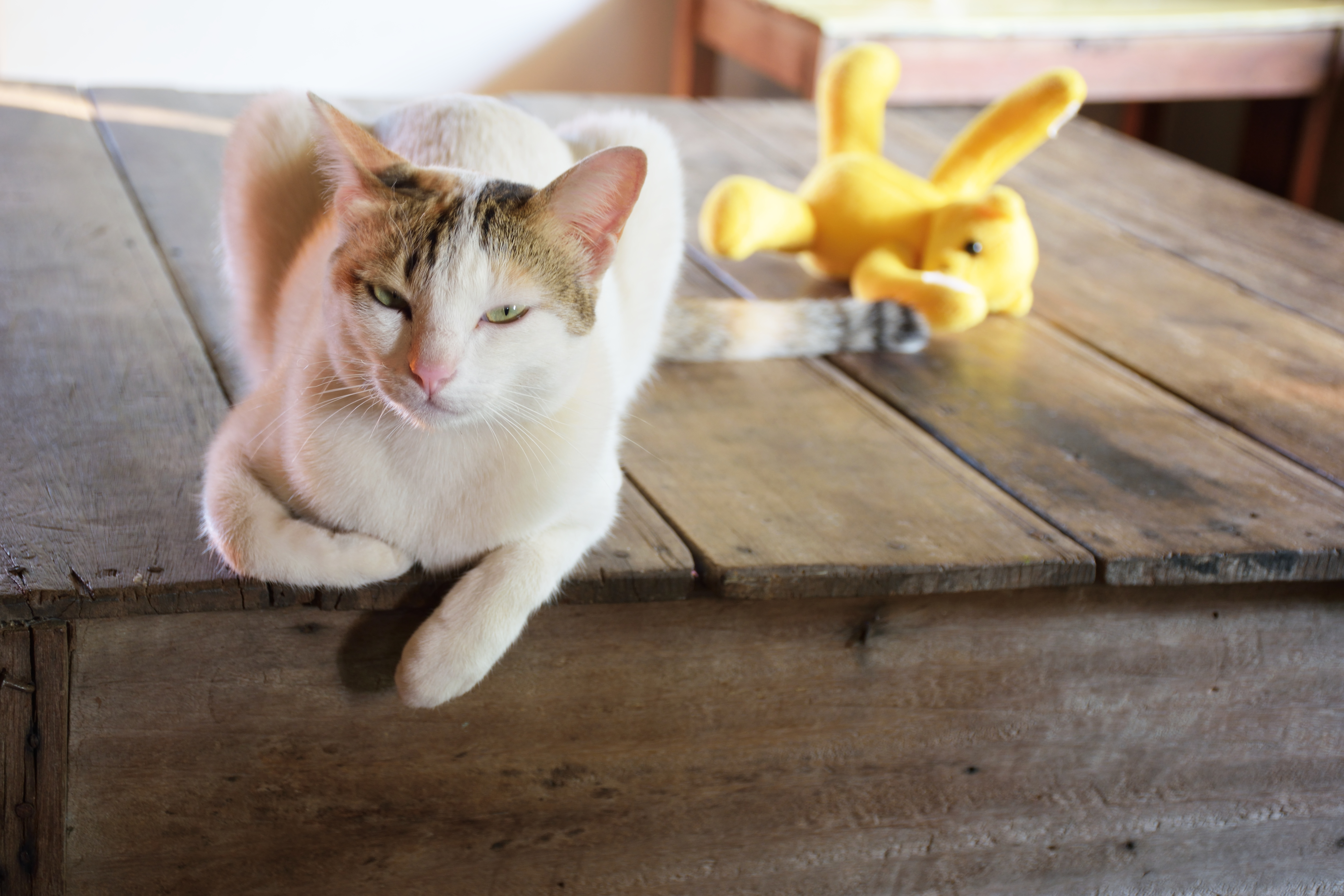
Credit: www.ovrs.com
Diy And Homemade Toy Ideas
DIY and homemade toy ideas can make playtime fun for your cat. Cats often enjoy new textures and shapes. Creating toys at home saves money and tailors to your cat’s preferences. Simple items around the house can turn into exciting toys. Adding catnip or treats makes toys even more interesting. Changing toys regularly keeps your cat curious and active.
Simple Toys From Household Items
Old socks, paper balls, and cardboard boxes are great for play. Crumple paper into small balls for batting around. Tie a string to a bottle cap for a quick chase toy. A cardboard box can become a hideout or a scratch spot. These items are safe and easy to replace.
Incorporating Catnip And Treats
Catnip adds a scent cats love and encourages play. Sprinkle dried catnip inside fabric toys or paper balls. Hide small treats inside toys to reward your cat’s curiosity. Treats make toys more tempting and fun. This approach helps shy cats become more active.
Rotating Toys For Freshness
Keep a few toys and switch them out often. Rotation stops toys from becoming boring. Store some toys away and bring them back after a week. New toys spark your cat’s interest and energy. This simple habit keeps playtime exciting every day.
Building A Stronger Bond Through Play
Building a stronger bond through play helps your cat feel safe and loved. Playtime is more than just fun. It creates trust and deepens your connection. Cats enjoy interaction that suits their personality. Understanding their play style leads to better moments together. Play also helps teach good behavior in a gentle way.
Understanding Your Cat’s Play Style
Each cat has a unique way of playing. Some like to chase fast movements. Others prefer slow, gentle toys. Watch your cat’s reactions carefully. Notice which toys catch their attention. Learn when your cat is most active. Play during these times to keep them engaged.
Positive Reinforcement Techniques
Use treats or gentle praise to reward play. This encourages your cat to join in more often. Avoid forcing your cat to play. Let them come at their own pace. Reward calm and happy play with kindness. This builds good habits and trust.
Using Play To Improve Behavior
Play redirects your cat’s energy from unwanted actions. It helps reduce scratching on furniture. Use toys to replace bad habits. Regular play keeps your cat mentally and physically healthy. A tired cat is less likely to act out. Play creates a happier and calmer pet.

Credit: www.youtube.com
Frequently Asked Questions
Why Won’t My Cat Play With New Toys?
Cats may ignore new toys due to unfamiliarity or lack of interest. Introduce toys gradually and use scents or treats to entice play. Rotate toys regularly to maintain curiosity and engagement.
Can Health Issues Affect My Cat’s Playfulness?
Yes, health problems like arthritis or dental pain can reduce playfulness. If your cat suddenly stops playing, consult a vet to rule out medical issues. Early diagnosis helps maintain your cat’s active lifestyle.
Does My Cat’s Age Impact Toy Interaction?
Kittens are naturally playful, while older cats may prefer less active play. Adjust toy types and playtime to suit your cat’s age and energy level. Gentle, interactive toys work better for senior cats.
How Can I Encourage My Cat To Play More?
Use interactive toys like wand teasers or laser pointers to stimulate your cat. Play sessions should be short and frequent to keep interest high. Positive reinforcement with treats can also motivate your cat.
Conclusion
Cats have their own reasons for not playing with toys. Some may feel tired or uninterested. Others might prefer different types of toys or play. Try changing toys often to keep them curious. Pay attention to your cat’s mood and health.
Patience helps; each cat shows play in its own way. Understanding your cat better leads to more fun moments together. Keep trying and enjoy the special bond you share.