
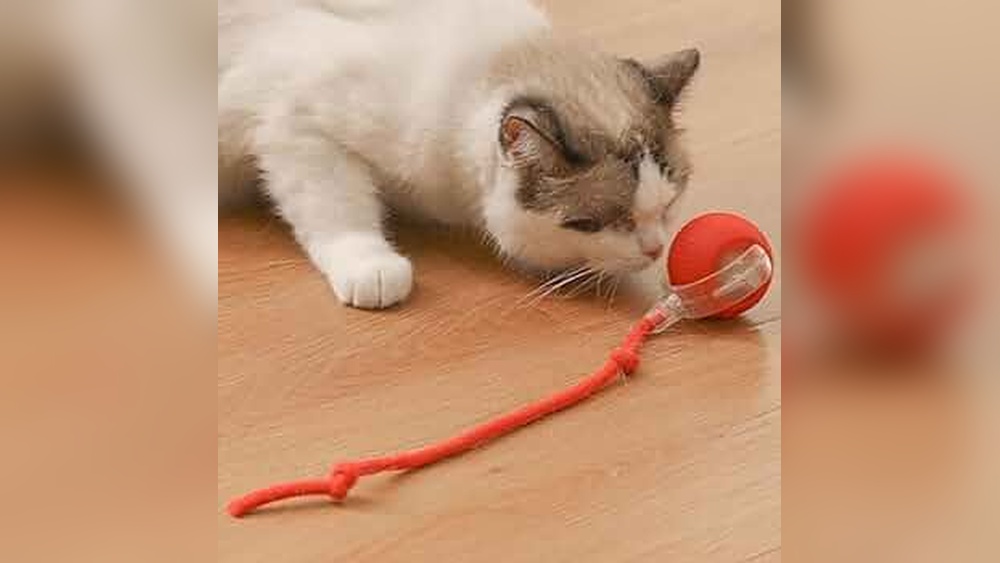
Have you ever wondered if your curious cat would enjoy playing with your dog’s toys? It’s a common question for pet owners like you who want to keep both furry friends happy and entertained.
Imagine finding new ways to engage your cat without spending extra on special toys. This article will reveal surprising facts about cats and dog toys, helping you understand what works best for your pet. Keep reading to discover how you can make playtime fun and safe for your cat using items you already have at home.
Cats And Dog Toys
Cats and dog toys often share the same play space. Many cat owners wonder if their pets like dog toys. Dogs and cats have different play styles. Yet, some dog toys attract cats too. Understanding why cats enjoy dog toys helps owners provide fun options. Cats may find dog toys interesting for various reasons. This section explores how cats interact with dog toys and what types they prefer.
Why Cats Might Like Dog Toys
Cats like toys that move or make noise. Dog toys often have these features. Some dog toys are soft and easy to bite. Cats enjoy the texture and shape. Dog toys can be larger, which some cats find fun. Cats also like toys that they can carry or bat around. The scent on dog toys might attract curious cats. This makes dog toys appealing to many cats.
Differences Between Cat And Dog Toys
Cat toys are smaller and lighter. They often mimic small prey like mice or birds. Cat toys focus on movement, like feathers or strings. Dog toys are bigger and tougher. They are designed for chewing and pulling. Dog toys can be noisy with squeakers inside. Cat toys rarely have these features. Cats prefer toys they can easily carry or chase. Dog toys may be too large for some cats to play well.
Common Dog Toys Cats Enjoy
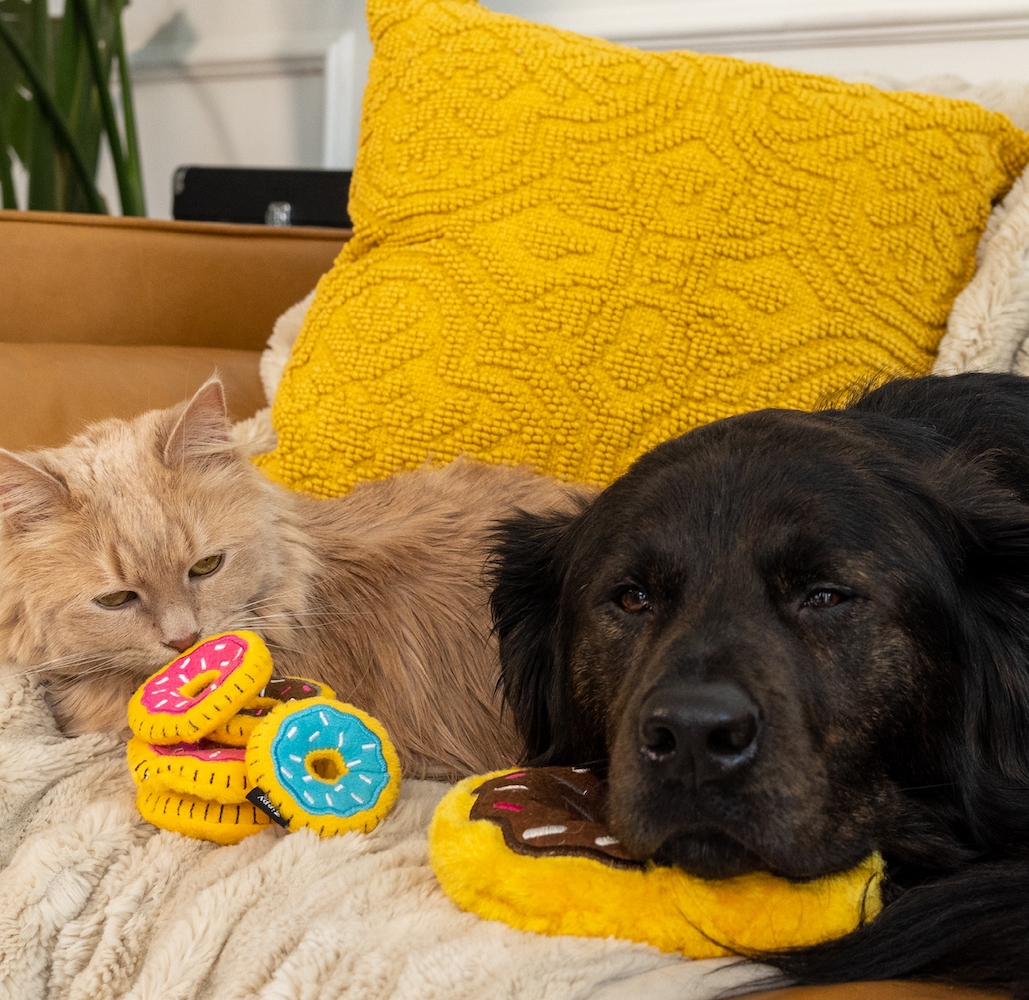
Cats like soft plush dog toys. They enjoy toys that are easy to bite. Rubber balls from dog toys can be fun for cats. Toys with bells or squeakers catch a cat’s attention. Rope toys can also entertain cats. Some cats enjoy tugging on dog chew toys. Dog toys with interesting smells attract cats. These dog toys can add variety to a cat’s playtime.

Credit: www.mycoastalace.com
Safety Concerns
Safety is the top priority when cats play with dog toys. Not all dog toys suit cats. Some materials or designs can harm cats. Knowing what is safe helps prevent accidents. Pet owners must watch closely during playtime. This keeps cats happy and healthy.
Materials Safe For Cats
Soft rubber and non-toxic plastics are good choices. Avoid toys with sharp edges or small parts. Natural fibers like cotton or wool work well. These materials do not break easily. They reduce choking risks. Cats can bite or scratch safely.
Potential Hazards Of Dog Toys
Hard plastic or metal parts can hurt cats. Small pieces may come loose and cause choking. Some dog toys have chemicals unsafe for cats. Loud squeakers may scare sensitive cats. Large or heavy toys can injure smaller cats. Always check the toy’s size and texture.
Signs Of Toy-related Issues
Watch for coughing, gagging, or sneezing. Drooling or pawing at the mouth can signal trouble. Sudden loss of interest in toys may show discomfort. Swelling or redness near the mouth needs attention. Early signs help avoid serious problems.
Behavioral Insights
Cats and dogs show different play behaviors. Understanding these behaviors helps explain if cats use dog toys. Cats have unique ways of playing that suit their hunting style. Their play needs can sometimes overlap with dogs, but often, they differ.
Play Patterns In Cats
Cats play mostly by stalking, pouncing, and chasing. Their play mimics hunting small animals. They enjoy toys that move or make noise. Cats often prefer toys that they can bat around with their paws. They also like toys that they can carry in their mouths.
How Dog Toys Stimulate Cats
Dog toys can attract cats if they are soft or squeaky. Some dog toys are big and not easy for cats to carry. Toys with interesting textures can catch a cat’s attention. The smell of some dog toys might interest cats. Movement in dog toys can trigger a cat’s hunting instinct.
When Cats Prefer Cat Toys
Cats usually choose cat toys for size and texture. Small, lightweight toys fit a cat’s paws and mouth better. Toys that mimic prey, like feathers or small balls, are favorites. Cat toys often have scents that attract cats. Cats may ignore dog toys that feel too rough or big.
Credit: zippypaws.com
Tips For Toy Selection
Selecting the right toys for your cat is key to safe and happy play. Not all dog toys suit cats, so choose wisely. Consider your cat’s habits and preferences. Pick toys that last and keep your cat active. Introducing new toys slowly helps your cat adapt.
Choosing Durable Toys
Durability matters for cat safety. Cats bite and scratch hard. Look for toys made of strong, non-toxic materials. Avoid toys that break into small parts. Durable toys save money and prevent choking hazards. Test toys before giving them to your cat.
Toys That Encourage Exercise
Exercise keeps cats healthy and happy. Pick toys that move or bounce to spark interest. Toys with feathers or strings can encourage chasing and pouncing. Balls and small stuffed toys work well for active play. Rotate toys to keep your cat curious and moving.
Introducing Dog Toys To Cats
Some dog toys can excite cats. Choose small, lightweight dog toys without scents or loud sounds. Let your cat sniff and explore the toy first. Watch how your cat reacts to the new toy. Stop if your cat seems scared or uninterested. Always supervise play with dog toys.
Expert Opinions
Experts have shared their thoughts on cats playing with dog toys. Their insights help pet owners understand the benefits and risks. This section explores opinions from veterinarians, pet behaviorists, and real pet owners.
Veterinarians On Cross-species Toys
Veterinarians say dogs’ toys are usually safe but not always ideal for cats. Dog toys are often larger and made for chewing, not scratching or pouncing. Some toys may pose choking risks for cats. Experts suggest supervising your cat with dog toys to avoid accidents.
They also note that some dog toys contain materials that cats might find unappealing. Soft and small toys designed for cats better suit their play style. Still, occasional use of dog toys can provide variety and mental stimulation.
Pet Behaviorists’ Views
Pet behaviorists observe that cats and dogs play differently. Cats prefer toys they can chase, bat, or hide. Dog toys often encourage chewing and tugging, which may not interest cats. Behaviorists recommend choosing toys that match a cat’s natural instincts.
They mention that some cats enjoy dog toys, especially if they mimic prey behavior. Movement, texture, and sound matter more than the toy type. Offering a mix of toys keeps cats engaged and prevents boredom.
Real-life Experiences From Pet Owners
Many pet owners report that their cats sometimes play with dog toys. Some cats like the size and texture of soft dog toys. Others ignore them and prefer traditional cat toys. Owners say watching cats explore different toys can be fun and surprising.
Some owners warn about potential hazards like small parts or stuffing. They advise checking dog toys carefully before giving them to cats. Personal experience shows that every cat is unique and may react differently.

Credit: www.amazon.com
Frequently Asked Questions
Can Cats Safely Play With Dog Toys?
Yes, cats can play with some dog toys if they are safe. Avoid toys with small parts or toxic materials. Always supervise your cat to prevent choking or injury.
Why Do Some Cats Prefer Dog Toys?
Cats may like dog toys because of their size, texture, or movement. Dog toys can offer new stimulation and satisfy a cat’s natural curiosity and play instincts.
Are Dog Toys Durable Enough For Cats?
Dog toys tend to be more durable and can withstand rough play. This makes them suitable for active cats that chew or scratch their toys frequently.
Can Dog Toys Help Keep Cats Entertained?
Dog toys can help keep cats entertained, especially if they encourage chasing or pouncing. Interactive dog toys can provide mental and physical stimulation for cats.
Conclusion
Cats can enjoy some dog toys, but not all are safe. Choose toys that are soft and small enough for cats. Watch your cat play to avoid any risks. Each cat is different; some like new toys, others don’t. Always pick toys that match your cat’s style and needs.
Safe play helps keep pets happy and healthy. Trying dog toys can be fun, but stay careful. Let your cat lead the way in playtime choices.