
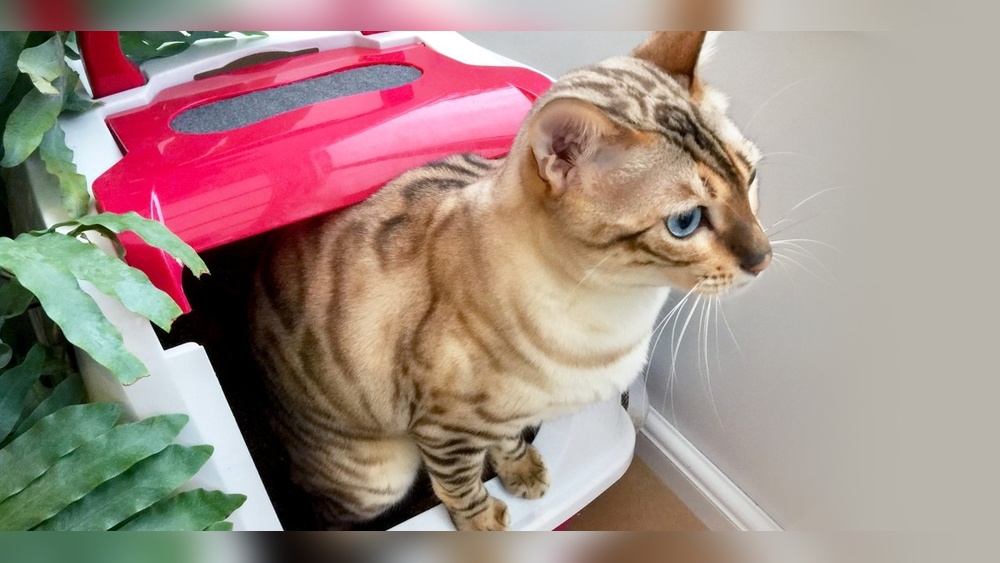
Have you ever faced the frustration of your cat suddenly forgetting their potty training? It can be confusing and stressful for both you and your furry friend.
But don’t worry—retraining your cat is possible, and it doesn’t have to be difficult. You’ll discover simple, effective steps to help your cat relearn proper potty habits quickly. Keep reading, and you’ll find out how to create a stress-free environment that encourages your cat to get back on track.
Your home will feel cleaner, and your cat will be happier—let’s make it happen together!
Signs Your Cat Needs Retraining
Noticing your cat avoiding the litter box can be frustrating. It often means your cat needs potty training again. Cats usually learn fast, but changes in behavior happen. Recognizing signs early helps fix the problem sooner. Watch your cat closely for clear signals.
Common Reasons For Regression
Stress or changes at home can confuse cats. New pets or guests may make them nervous. Illness or pain can stop a cat from using the box. Dirty or moved litter boxes cause problems too. Sometimes, the type of litter or box size matters. Age or memory loss can also cause accidents.
Behavioral Indicators
Your cat may start urinating outside the box. Scratching or digging in strange places is a sign. Avoiding the litter box or hiding more than usual shows stress. Vocalizing more when near the box can mean discomfort. Your cat may also scratch furniture or walls near the box. These actions signal the need for retraining and care.

Credit: www.amazon.com
Choosing The Right Litter Box
Choosing the right litter box is key to potty training a cat again. Cats are picky about their bathroom space. The wrong box can confuse or upset them. This may cause accidents outside the box. A good litter box fits your cat’s size and habits. It also fits your home’s space and your cleaning routine. Understanding different types and placement tips helps you select the best box for your cat.
Types Of Litter Boxes
Many litter boxes exist. Open boxes are simple and easy to clean. Cats like them because they feel roomy. Covered boxes give privacy and reduce smell. Some cats dislike covered boxes due to limited space. Self-cleaning boxes save time but cost more. Low-sided boxes work well for kittens and older cats. High-sided boxes stop litter scatter. Choose a box that fits your cat’s size and preference.
Placement Tips
Place the litter box in a quiet, low-traffic area. Cats need privacy to feel safe. Avoid noisy or busy spots like near washing machines. Keep the box away from food and water bowls. Ensure easy access for your cat at all times. If you have multiple cats, provide multiple boxes. Clean the box daily to keep your cat happy. Proper placement supports your cat’s return to litter training.
Selecting The Best Litter
Selecting the best litter is key to potty training a cat again. The right litter makes your cat comfortable and encourages good habits. Cats can be picky. Choosing litter that suits their preferences helps prevent accidents outside the box.
Popular Litter Options
Clumping clay litter is common and easy to clean. It forms solid clumps around waste, making removal simple. Non-clumping clay litter absorbs moisture but needs full changes often. Crystal silica litter absorbs odors well and lasts longer. Natural litters, like corn or wheat-based, are eco-friendly and gentle on paws.
What Cats Prefer
Most cats like fine, soft litter that feels gentle. They avoid rough or scented litters that irritate their paws or nose. Unscented litters usually work best. Some cats like litter that mimics natural dirt or sand. Watch your cat’s reaction. Change litter type slowly to avoid stress.
Creating A Consistent Routine
Creating a consistent routine helps your cat learn faster. Cats feel safe when they know what to expect. A steady routine lowers stress and builds good habits. It makes potty training easier and more effective. Set clear times for feeding, cleaning, and rewards. Repeat these steps daily for best results.
Feeding And Cleaning Schedules
Feed your cat at the same times each day. Regular meals help control bathroom habits. Cats often use the litter box soon after eating. Clean the litter box every day to keep it fresh. A clean box encourages your cat to use it. Avoid strong smells or dirty litter. These can scare your cat away.
Positive Reinforcement Techniques
Reward your cat immediately after it uses the litter box. Use treats, gentle pets, or soft praise. Positive feelings make your cat want to repeat good behavior. Avoid punishment; it can cause fear and confusion. Consistent rewards build a strong habit. Patience and kindness work best in training.
Managing Stress And Environment
Potty training a cat again can be tricky. Stress often causes setbacks. Managing your cat’s stress and environment helps improve success. A calm space encourages good habits. Cats feel safe in quiet, stable places. Changes in the environment can confuse them. Reducing stress makes potty training easier and faster.
Reducing Triggers
Identify what stresses your cat. Loud noises, new people, or other pets often trigger fear. Keep the environment calm and quiet. Avoid sudden changes in furniture or litter box location. Use gentle voices and slow movements. Remove items that scare your cat. A peaceful area helps your cat focus on training.
Safe Spaces For Cats
Create a safe spot for your cat. Use a cozy bed or a quiet corner. Place favorite toys and blankets there. This space should be away from busy areas. Cats relax better in their own space. It reduces anxiety and improves learning. Let your cat visit this spot anytime.

Credit: www.wikihow.com
Training Techniques To Try Again
Training a cat to use the toilet again takes patience and the right methods. Cats learn best with clear signals and rewards. Trying different techniques can help your cat understand what you want. Here are two effective approaches to try again.
Using Treats And Praise
Reward your cat with treats when it uses the toilet correctly. Praise with a happy voice to encourage good behavior. Treats should be small and healthy. Give treats right after your cat finishes. This helps your cat connect the action with the reward. Consistent rewards build a positive habit. Avoid punishment to keep training fun and safe.
Gradual Transition Methods
Start by placing the litter box near the toilet. Slowly raise the box height using books or boxes. This helps your cat get used to the new level. Then, move the box onto the toilet seat. Gradually reduce litter in the box over days. Replace the box with a training seat designed for cats. This step-by-step change makes the process easier. Take your time and watch your cat’s comfort.
When To Seek Veterinary Advice
Potty training a cat again can be tricky. Some cats learn fast, but others need more time. Sometimes, the problem is not training itself. The cat might have health issues or behavior problems. These can stop progress and cause stress. Knowing when to seek veterinary advice helps your cat stay healthy and happy.
Health Issues Impacting Training
Urinary tract infections often cause accidents outside the litter box. Cats with bladder problems feel pain and avoid the box. Kidney disease or diabetes also change bathroom habits. Age-related issues can confuse older cats. A vet check can find hidden health problems. Treating these issues helps your cat return to normal habits.
Professional Behavioral Help
Sometimes, training stops because of stress or anxiety. Moving, loud noises, or changes in the home can upset cats. A vet can suggest behavior specialists. These experts teach ways to reduce stress. They show how to make the litter box more inviting. Professional help improves your chances of success in potty training.

Credit: www.amazon.com
Frequently Asked Questions
How Can I Retrain My Cat To Use The Litter Box?
Start by placing the litter box in a quiet, accessible area. Clean it daily and use the same litter type. Reward your cat with treats when it uses the box. Be patient and consistent throughout the retraining process.
Why Did My Cat Stop Using The Litter Box Suddenly?
Cats may avoid the litter box due to stress, medical issues, or dirty litter. Check for health problems with a vet. Keep the box clean and ensure it’s in a calm, quiet location to encourage use.
What Type Of Litter Is Best For Potty Training Cats?
Unscented, clumping litter is best for potty training cats. It’s easy to clean and gentle on paws. Avoid strongly scented litters, as cats may find them unpleasant and avoid the box.
How Long Does It Take To Retrain A Cat To Potty Train?
Retraining time varies by cat, usually taking 1 to 3 weeks. Consistency, patience, and positive reinforcement speed up the process. Monitor your cat’s progress and adjust methods as needed.
Conclusion
Potty training a cat again takes time and patience. Stay calm and use gentle encouragement. Watch your cat’s behavior closely every day. Keep the litter box clean and easy to find. Reward small successes with praise or treats. Avoid punishment; it can cause fear and confusion.
Remember, every cat learns at its own pace. Consistency helps your cat feel safe and confident. Soon, your cat will use the litter box again. Trust the process, and enjoy a cleaner home.